SLSP Branches and Clubs
Surf Life Saving Peru (SLSP) operates through a national network of branches and Surf Life Saving Clubs (SLSCs), strategically organised by Department, Province, District, and Beach.
This decentralised structure allows for local leadership and rapid response, while maintaining national standards, training, and coordination.
Note on Environmental Conditions
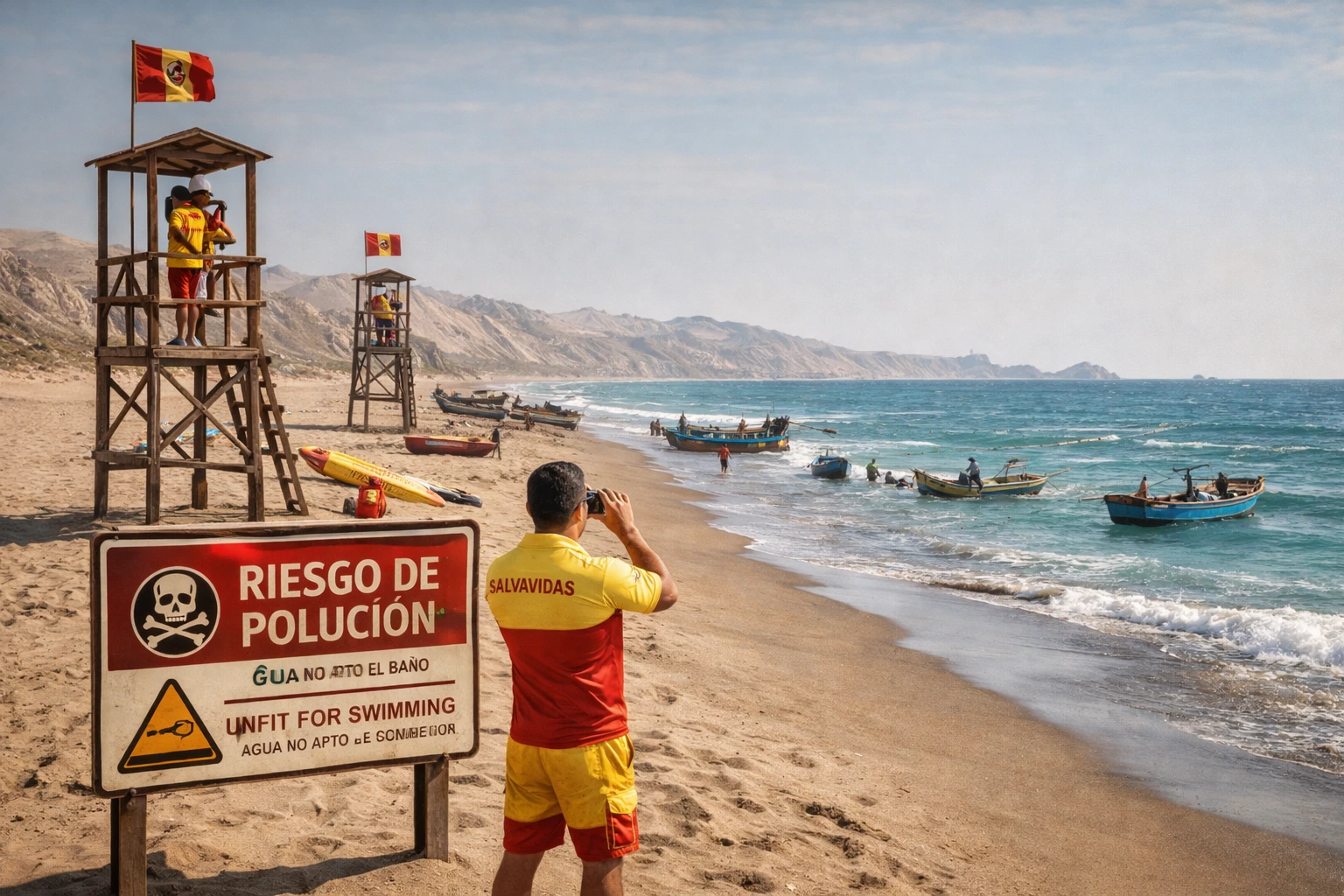
Beaches marked with an asterisk (*) have been reported at various times for pollution caused by industrial waste, urban runoff, or untreated wastewater. Conditions may change, and visitors are advised to consult local authorities and SLSP safety notices before entering the water.
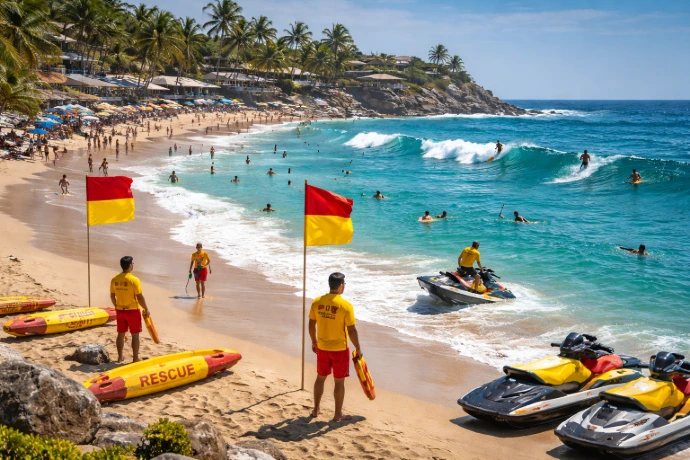
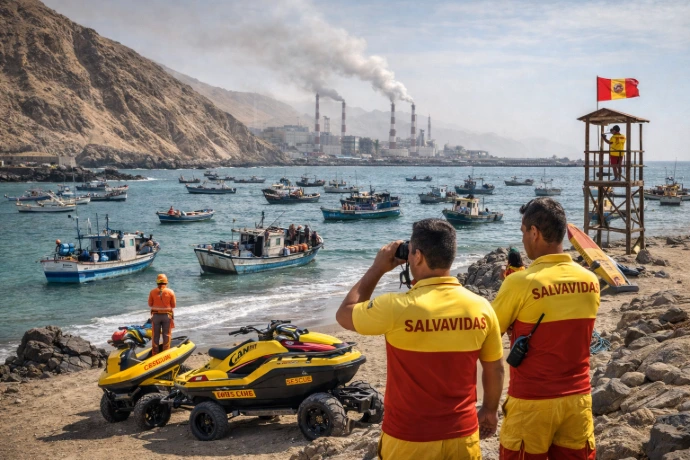
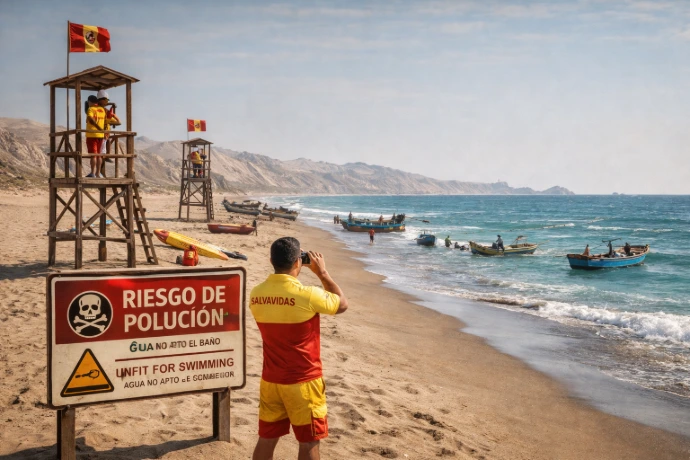
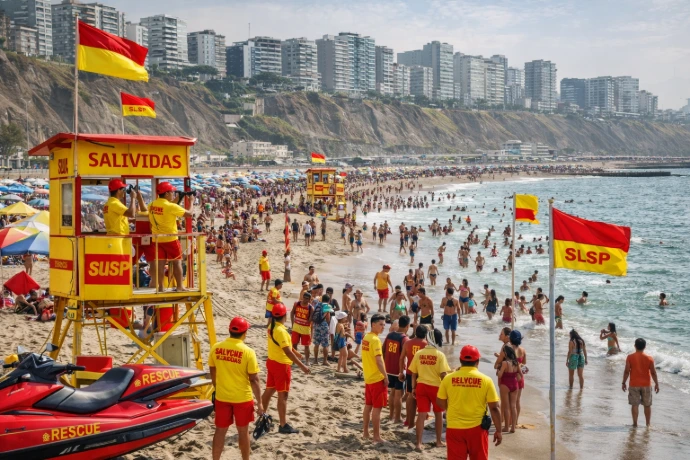
North Zone – “Guardianes del Sol”
(Guardians of the Sun)
Departments: Tumbes & Piura
Total: 14 Surf Life Saving Clubs
Operational Focus: Open water rescue, surf zones, and water sports safety in high-tourism areas.
n
North Zone
“Guardianes Del Sol”
Key Characteristics
- Covers high-exposure northern coastal areas with strong currents, seasonal swell, and year-round beach activity
- Strategic focus on tourism safety, artisanal fishing zones, and cross-border coastal movement
- Strong community integration with local municipalities and coastal populations
- High operational tempo due to continuous recreational and economic water use
- Acts as a pilot zone for early implementation of national SLSP programs and standards
Zone Profile
- Population Served: ~1.7 million residents + high seasonal tourism influx
- Primary Risk Profile: Strong currents, rip tides, artisanal fishing exposure, cross-border coastal activity
- Operational Intensity: Very high (year-round water use)
Operational Focus
- High-exposure beaches with strong currents and year-round tourism
- · Artisanal fishing zones and cross-border coastal movement
- · Continuous patrol demand and early-warning safety systems
Key KPIs
- Beaches and coastal zones actively patrolled
- Annual rescues and first-aid interventions
- Community water safety sessions delivered
- Trained and active volunteers per seasonrds
Club-Level Summary
- Clubs distributed across high-use beaches and fishing hubs
- Each club operates patrols, prevention education, and local volunteer programs
- Acts as an early-warning and rapid-response zone for northern coastal risks
SDG / ESG Alignment
- · SDG 3: Good Health and Well-Being
- · SDG 8: Decent Work and Economic Growth
- · SDG 14: Life Below Water
- · ESG: Social impact, community safety, coastal resilience
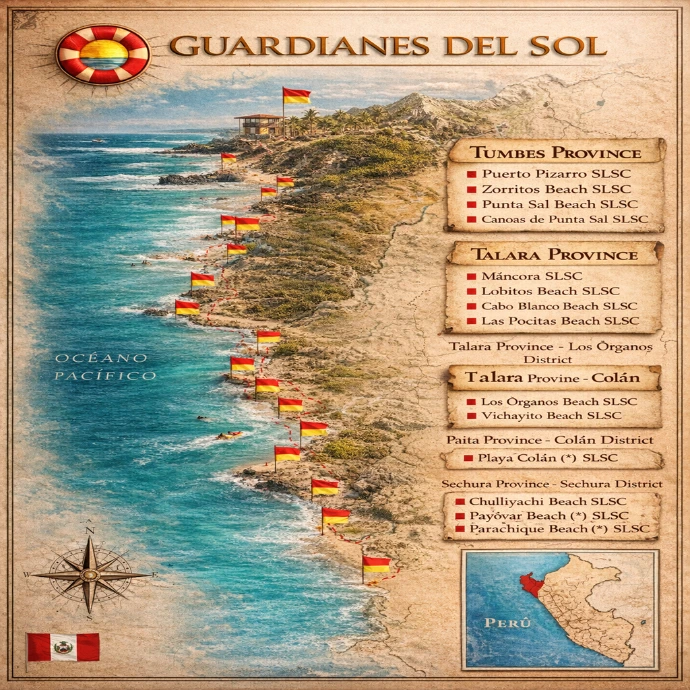
Clubs by Province and District
Clubs by Province and District
Puerto Pizarro SLSC
Zorritos Beach SLSC
Punta Sal Beach SLSC
Canoas de Punta Sal SLSC
Máncora SLSC
Lobitos Beach SLSC
Cabo Blanco Beach SLSC
Las Pocitas Beach SLSC
Los Órganos Beach SLSC
Vichayito Beach SLSC
Playa Colán (*) SLSC
Chulliyachi Beach SLSC
Bayóvar Beach SLSC
Parachique Beach (*) SLSC
Central-North Zone – “Guardianes del Desierto”
(Guardians of the Desert)
Departments: Lambayeque & La Libertad
Total: 10 Surf Life Saving Clubs
Operational Focus: Surveillance, pollution monitoring, and safety in arid and urbanised coastal zones.
Central-North Zone
“Guardianes del Desierto”
Key Characteristics
- Serves densely populated coastal corridors with expanding tourism and urban development
- Emphasis on preventative patrols and public safety education
- Integration with regional authorities to support large public beaches and events
- Focus on training and capacity building for new clubs and volunteers
- Supports regional economic activity through visible safety infrastructure
Zone Profile
- Population Served: ~2.6 million residents
- Primary Risk Profile: Urban beach congestion, family recreation zones, large public events
- Operational Intensity: High, with strong seasonal peaks
Operational Focus
- Urbanised beaches with expanding tourism and public use
- Large-scale preventative patrols and public education
- Support for regional economic and recreational activity
Key KPIs
- Preventative interventions and public assists
- Training completions and certifications issued
- Beach safety compliance during peak seasons
- Volunteer retention and progression rates
Club-Level Summary
- Clubs embedded in urban and semi-urban beaches
- Strong focus on prevention, visibility, and public education
- Serve as training and capacity-building centres for emerging clubs
SDG / ESG Alignment
- · SDG 3: Health and Well-Being
- SDG 11: Sustainable Cities and Communities
- ESG: Public safety infrastructure, social risk reduction
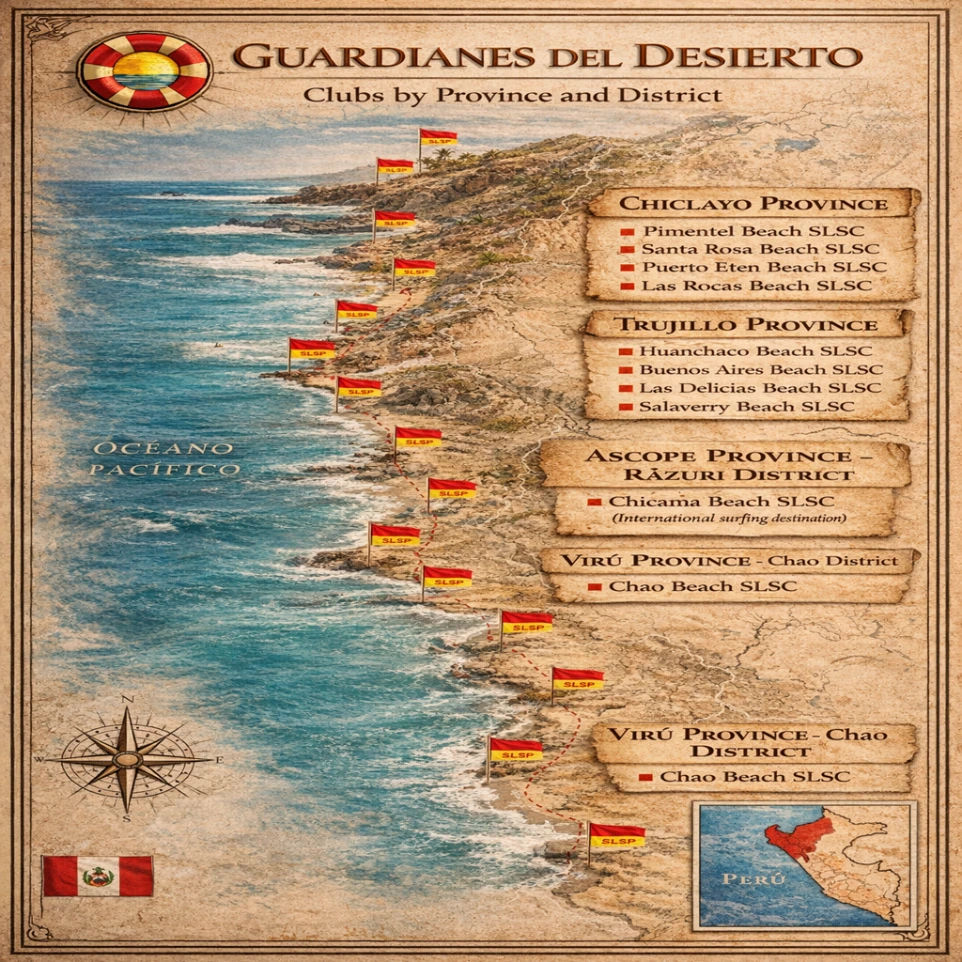
Clubs by Province and District
Clubs by Province and District
Pimentel Beach SLSC
Santa Rosa Beach **() SLSC
Puerto Eten Beach **() SLSC
Las Rocas Beach SLSC
Huanchaco Beach **() SLSC
Buenos Aires Beach **() SLSC
Las Delicias Beach **() SLSC
Salaverry Beach **() SLSC
Chicama Beach SLSC (international surfing destination)
Chao Beach SLSC
Ancash Zone – “Vigilantes de las Cumbres”
(Watchers of the Summits)
\Department: Ancash
Total: 8 Surf Life Saving Clubs
Operational Focus: Fishing zones, industrial monitoring, and rescue near ports.
.
Ancash Zone
“Vigilantes de las Cumbres”
Key Characteristics
- Operates across mixed coastal and rugged shoreline environments
- Requires adaptive rescue techniques due to variable terrain and access points
- Strong emphasis on environmental awareness and risk identification
- Community-based operations supporting both residents and visitors
- Acts as a bridge zone linking coastal and inland safety strategies
Zone Profile
- Population Served: ~1.2 million residents
- Primary Risk Profile: Rugged coastline, limited access points, variable sea conditions
- Operational Intensity: Moderate but high-risk per incident
Operational Focus
- Mixed coastal and rugged shoreline environments
- Variable access points requiring adaptive rescue strategies
- Environmental risk awareness and hazard identification
Key KPIs
- Response times in remote and difficult-access zones
- Environmental hazard identification and reporting
- Community engagement and local volunteer participation
- Patrol coverage consistency
Club-Level Summary
- Smaller, highly adaptive clubs operating in challenging terrain
- Strong emphasis on local knowledge and risk recognition
- Acts as a transition zone between urban and remote operations
SDG / ESG Alignment
- SDG 3: Health and Well-Being
- SDG 13: Climate Action
- SDG 14: Life Below Water
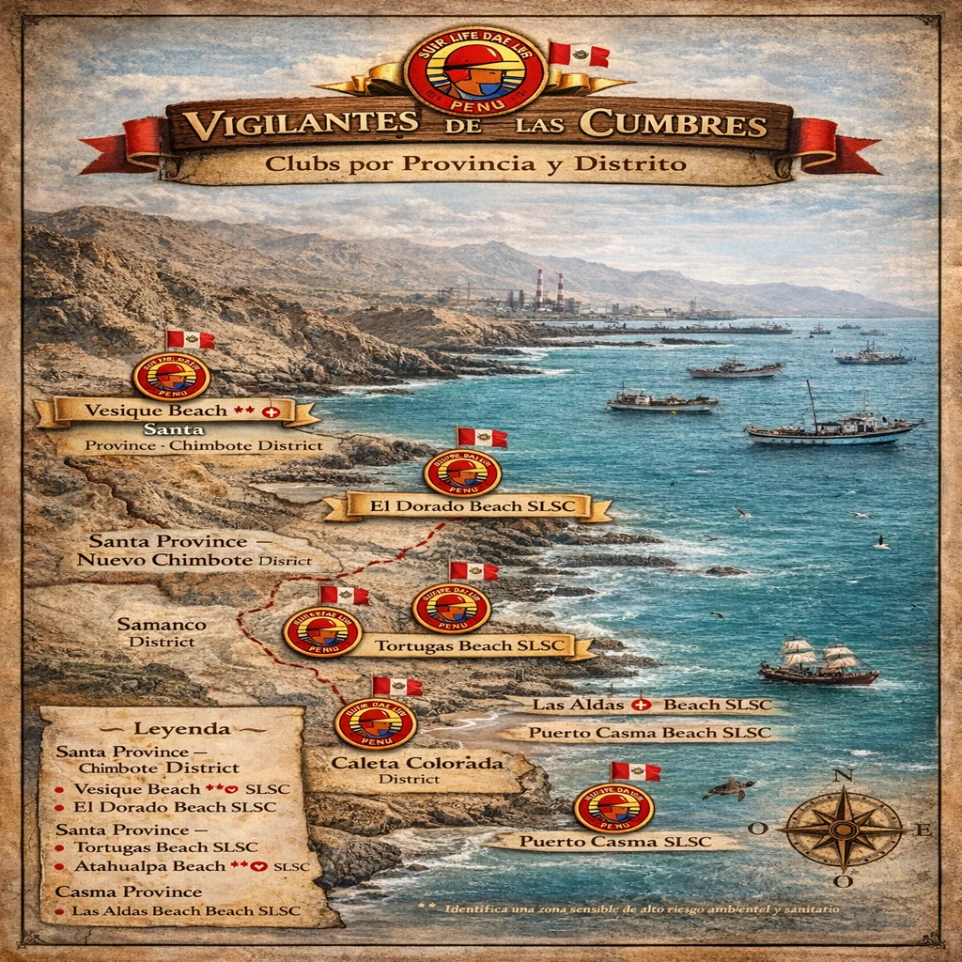
Clubs by Province and District
Clubs by Province and District
Vesique Beach **() SLSC
El Dorado Beach SLSC
Tortugas Beach SLSC
Atahualpa Beach **() SLSC
Caleta Colorada Beach SLSC
Las Aldas Beach SLSC
Puerto Casma Beach SLSC
Metropolitan Lima Zone – “Guardianes de la Costa Brava”
(Guardians of the Costa Brava)
Department: Lima
Total: 13 Surf Life Saving Clubs
Operational Focus: High-density urban beaches, crowd management, and multi-tower patrols.
Metropolitan Lima Zone
“Guardianes de la Costa Brava”
Key Characteristics
- Serves Peru’s most populous urban coastline with the highest concentration of beach users
- High-intensity patrol operations and rapid response requirements
- Strong coordination with municipal authorities, emergency services, and national institutions
- Central hub for training, leadership development, and national coordination
- Plays a key role in public visibility, education campaigns, and national awareness
Zone Profile
- Population Served: ~10 million residents + national tourism
- Primary Risk Profile: Extreme beach density, high incident volume, urban emergencies
- Operational Intensity: Very high, daily operation
Operational Focus
- Peru’s highest population density and beach usage
- High-intensity patrols and rapid emergency response
- National hub for leadership, training, and coordination
Key KPIs
- Daily patrol hours delivered
- Emergency response times
- Public engagement and safety education reach
- National-level training and instructor development
Club-Level Summary
- Largest concentration of clubs and volunteers
- Serves as SLSP’s national coordination and training hub
- High visibility reinforces public trust and institutional credibility
SDG / ESG Alignment
- SDG 3: Health and Well-Being
- SDG 11: Sustainable Cities
- ESG: Public infrastructure, governance, operational resilience
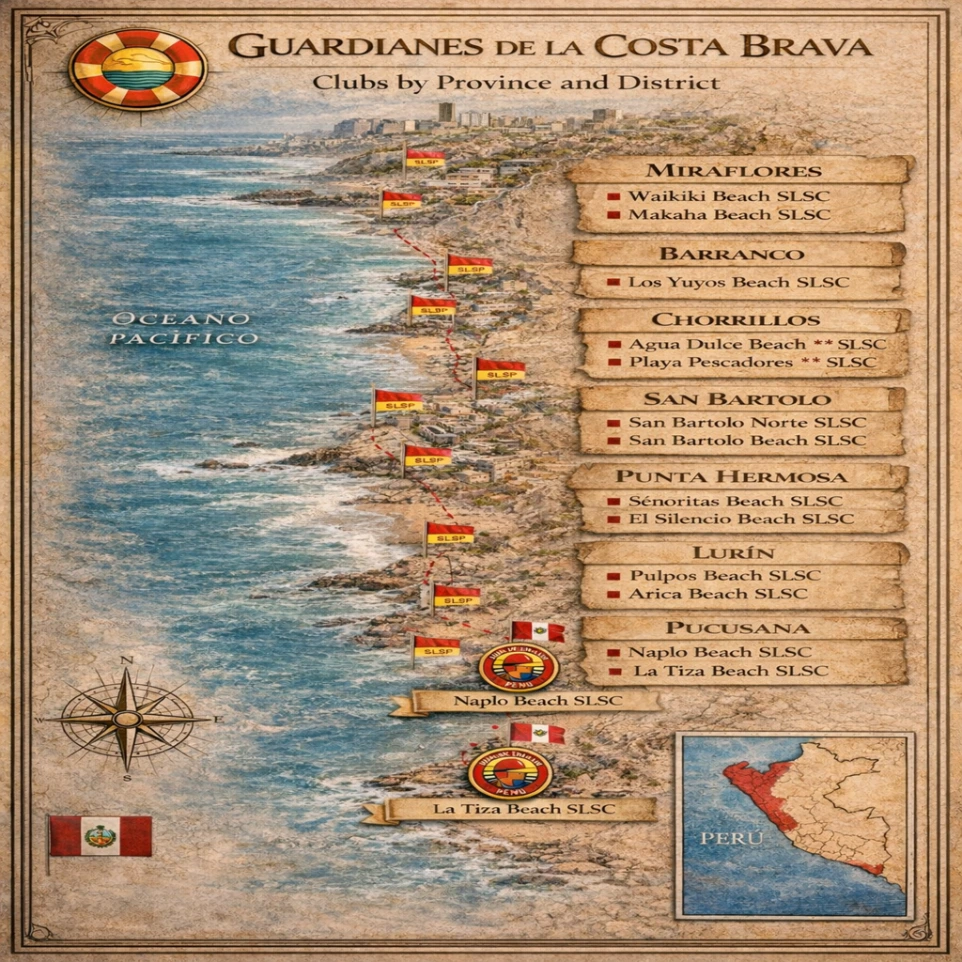
Clubs by Province and District
Clubs by Province and District
Waikiki Beach SLSC
Makaha Beach SLSC
Los Yuyos Beach SLSC
Agua Dulce Beach **() SLSC
Playa Pescadores **() SLSC
San Bartolo Norte SLSC
San Bartolo Beach SLSC
Punta Negra SLSC
Señoritas Beach SLSC
El Silencio Beach SLSC
Pulpos Beach SLSC
Arica Beach SLSC
Naplo Beach SLSC
La Tiza Beach SLSC
South Zone – “Protectores del Mar Profundo”
(Protectors of the Deep Sea)
Departments: Cañete & Ica
Total: 6 Surf Life Saving Clubs
Operational Focus: Deep-water rescue and advanced response in tourism zones.
South Zone
“Protectores del Mar Profundo”
Key Characteristics
- Covers extended coastal areas with seasonal tourism peaks and fishing activity
- Focus on safety in remote beaches and less urbanised environments
- Emphasis on community engagement and volunteer development
- Supports sustainable tourism growth through safety assurance
- Strategic importance for regional expansion and infrastructure development
Zone Profile
- Population Served: ~900,000 residents + seasonal tourism
- Primary Risk Profile: Remote beaches, long response distances, seasonal crowd surges
- Operational Intensity: Moderate with sharp peaks
Operational Focus
- Seasonal tourism peaks and remote beach coverage
- Fishing communities and limited emergency infrastructure
- Volunteer-led community engagement
Key KPIs
- Patrol coverage of remote beaches
- Incident prevention versus response ratios
- Volunteer recruitment and training growth
- Community education reach
Club-Level Summary
- Clubs serve wide geographic areas
- Strong reliance on local volunteers and prevention programs
- Key zone for expansion and infrastructure development
SDG / ESG Alignment
- SDG 3: Health and Well-Being
- SDG 8: Economic Growth (tourism)
- ESG: Community resilience, social inclusion
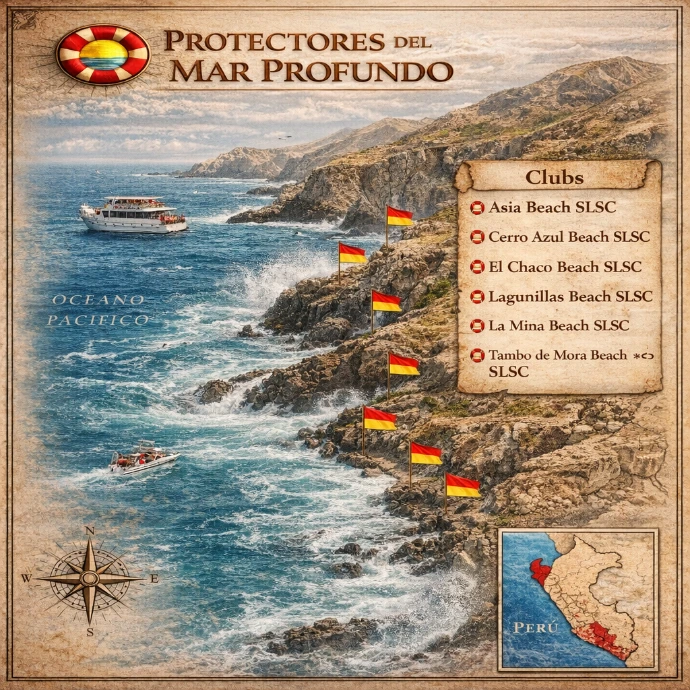
Clubs by Province and District
Clubs by Province and District
Asia Beach SLSC
Cerro Azul Beach SLSC
El Chaco Beach SLSC
Lagunillas Beach SLSC
La Mina Beach SLSC
Tambo de Mora Beach **() SLSC
South-Andean Zone – “Guardianes de la Bruma” (Guardians of the Mist)
Department: Arequipa
Total: 4 Surf Life Saving Clubs
Operational Focus: Cold water, fog, and low-visibility rescue.
.
South-Andean Zone
“Guardianes de la Bruma”
Key Characteristics
- Operates in coastal and inland environments influenced by Andean geography
- Requires specialised training adapted to colder waters and variable conditions
- Supports growing tourism and recreational water use
- Strong focus on education, prevention, and local leadership development
- Acts as a model for integrating coastal and inland lifesaving approaches
Zone Profile
- Population Served: ~1.5 million residents
- Primary Risk Profile: Cold-water exposure, mixed coastal and inland use, tourism growth
- Operational Intensity: Moderate, specialised condition
Operational Focus
- Coastal and inland environments influenced by Andean geography
- Colder waters and variable conditions
- Education-driven prevention and leadership development
Key KPIs
- Cold-water rescue readiness
- Training adapted to altitude and climate
- Tourism safety engagement
- Youth and leadership program participation
Club-Level Summary
- Clubs integrate coastal and inland water safety
- Focus on education, resilience, and prevention
- Serves as a model for Andean and inland expansion
SDG / ESG Alignment
- SDG 3: Health and Well-Being
- SDG 4: Quality Education
- ESG: Human capital development
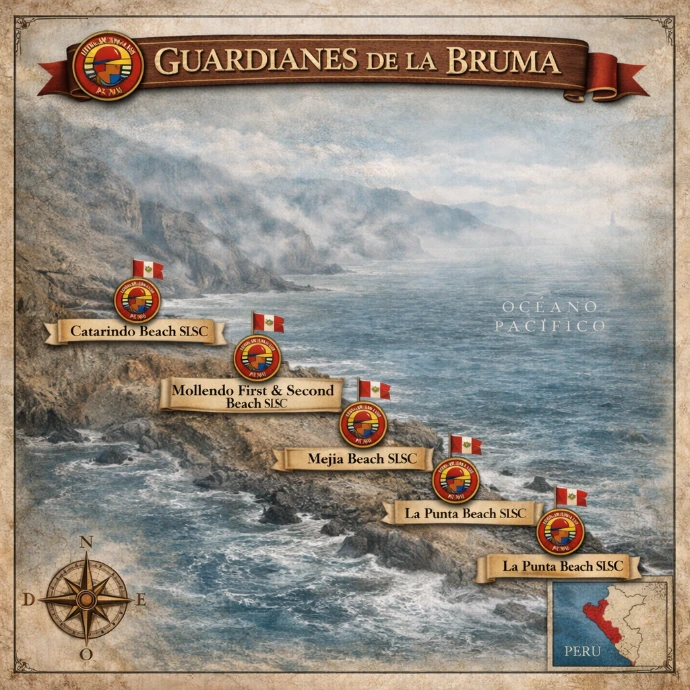
Clubs by Province and District
Clubs by Province and District
Catarindo Beach SLSC
Mollendo First & Second Beach SLSC
Mejía Beach SLSC
La Punta Beach SLSC
Border Zone – “Centinelas del Sol Naciente” (Sentinels of the Rising Sun)
Departments: Moquegua & Tacna
Total: 5 Surf Life Saving Clubs
Operational Focus: Emerging tourism zones and future infrastructure development.
.
Border Zone
“Centinelas del Sol Naciente”
Key Characteristics
- Covers strategic southern border coastlines with international movement and trade influence
- Emphasis on coordination with national authorities and cross-jurisdictional awareness
- Operates in remote and less serviced coastal zones
- Focus on resilience, preparedness, and community-based safety systems
- Plays a critical role in national coverage and territorial continuity
Zone Profile
- Population Served: ~700,000 residents
- Primary Risk Profile: Remote coastline, border transit, limited emergency infrastructure
- Operational Intensity: Lower volume, high strategic importance
Operational Focus
- Strategic southern border coastline
- Remote environments and limited service coverage
- National security, preparedness, and continuity of coverage
Key KPIs
- Coverage continuity across border regions
- Preparedness and readiness metrics
- Coordination with authorities and communities
- Incident response in isolated zones
Club-Level Summary
- Small but strategically placed clubs
- High autonomy and preparedness focus
- Ensures national territorial continuity of lifesaving services
SDG / ESG Alignment
- SDG 3: Health and Well-Being
- SDG 16: Peace, Justice, and Strong Institutions
- ESG: Governance, territorial resilience
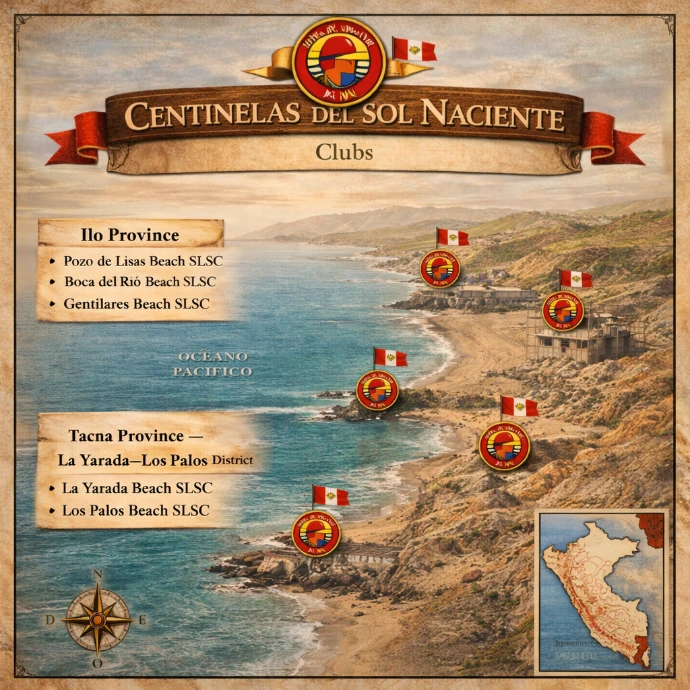
Clubs by Province and District
Clubs by Province and District
Pozo de Lisas Beach SLSC
Boca del Río Beach SLSC
Gentilares Beach SLSC
La Yarada Beach SLSC
Los Palos Beach SLSC
The SLSP branch and club structure ensures that every major coastal region of Peru is represented, protected, and prepared. Through this nationally coordinated yet locally empowered system, SLSP delivers lifesaving capability, environmental oversight, and community leadership where it is needed most.
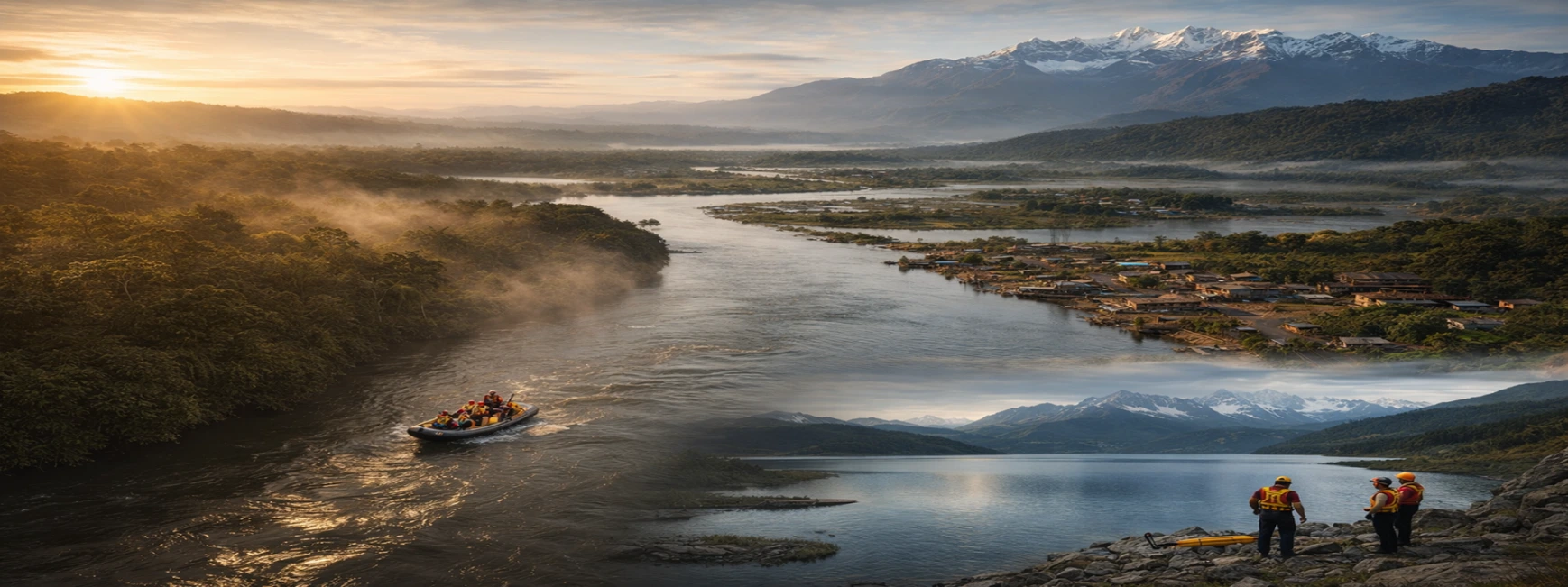
National Expansion – Rivers and Lakes
Andean and Amazonian Estuaries – 30 Planned - but yet identified - Clubs
- Population Served: Millions across inland riverine and lacustrine communities
- Risk Profile: Fast currents, flooding, cold water, remote access
- Strategic Value: Completes Peru’s first fully integrated aquatic safety network
Together, these seven coastal zones—combined with the proposed 30 lifesaving clubs across the rivers and lakes of the Andean and Amazonian estuaries—form a complete national lifesaving network, delivering consistent standards, measurable impact, and water safety coverage across all of Peru’s aquatic environments, from the Pacific coast to the most remote inland waters.
Surf Life Saving Peru’s branch structure transforms water safety into measurable national infrastructure—delivering lifesaving outcomes, economic confidence, and environmental stewardship across Peru’s coastline.
Together, these seven coastal branches, complemented by the proposed 30 lifesaving clubs across the rivers and lakes of the Andean and Amazonian estuaries, will constitute a complete national lifesaving system—providing standardized coverage, institutional coordination, and public water safety services across all of Peru’s aquatic environments.