Surf Life Saving Australia (SLSA)
Overview, Goals, Structure & Benefits
.
To build Surf Life Saving Peru (SLSP) on a proven and defensible foundation, it is essential to understand the governance, operational model, community impact, and socio-economic outcomes delivered by Surf Life Saving Australia (SLSA)—widely regarded as Australia’s peak authority for coastal water safety, drowning prevention, and lifesaving services.
For more than a century, SLSA has demonstrated that a volunteer-powered, professionally governed, nationally coordinated system can save lives at scale while delivering measurable social and economic value.
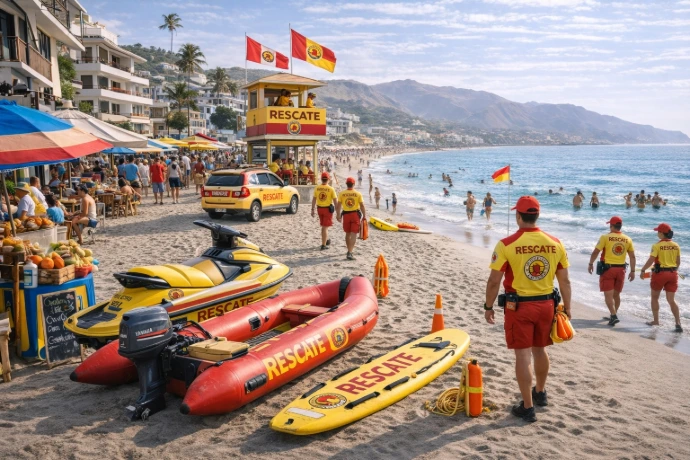
SLSA Overview
Surf Life Saving Australia (SLSA) is a not-for-profit, community-based organisation established to improve safety along Australia’s coastline through lifesaving services, education, and safety promotion.
Today, SLSA represents one of the largest volunteer movements globally, comprising more than 198,000 members and 316 affiliated Surf Life Saving Clubs, operating within a nationally coordinated framework that balances local delivery with national standards.
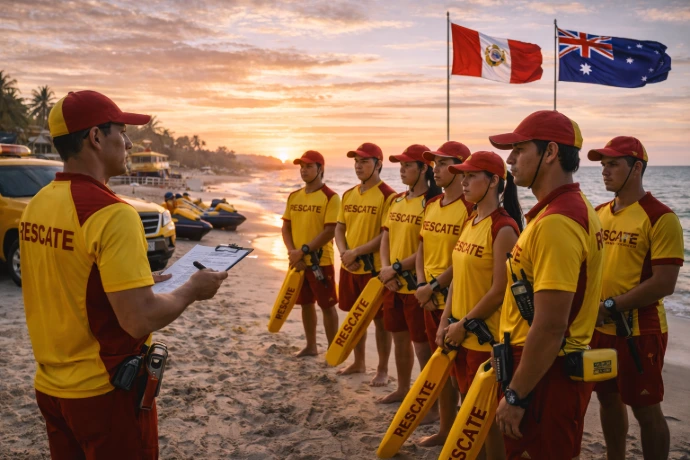
Mission and Vision
Mission
Save lives, create safer communities, and build better citizens.
This mission is delivered through lifesaving patrols, rescue capability, first aid provision, structured education programs, and a strong culture of volunteerism embedded in local communities.
Vision
Zero preventable deaths on Australia’s beaches.
This vision is pursued operationally through patrol coverage, preventative education, risk messaging, and community engagement.
SLSA Core Objectives
SLSA achieves its mission through four integrated objectives:
1
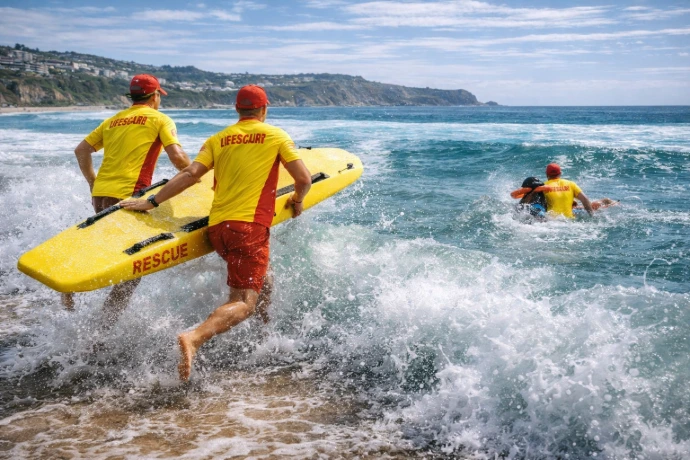
Provide Lifesaving Services
SLSA delivers frontline lifesaving capability through:
Beach patrol services
Rescues and emergency response
First aid provision
Preventative actions and hazard management
2
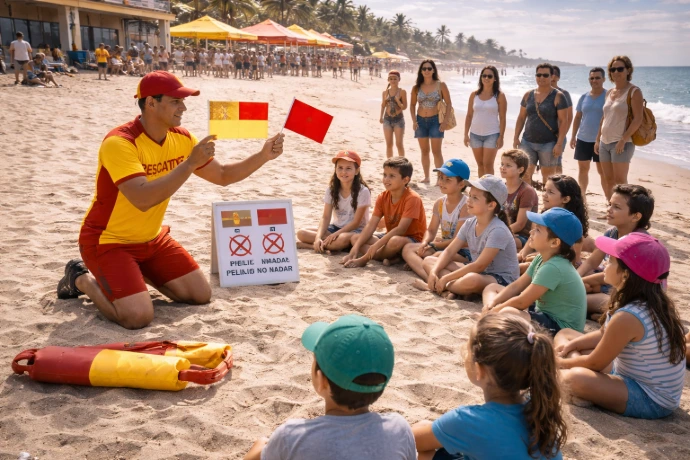
Community Education
SLSA delivers extensive community education programs focused on:
Water safety awareness
Risk recognition (rip currents, surf conditions)
First aid and CPR skills
Reinforcing “Swim Between the Flags” behaviour
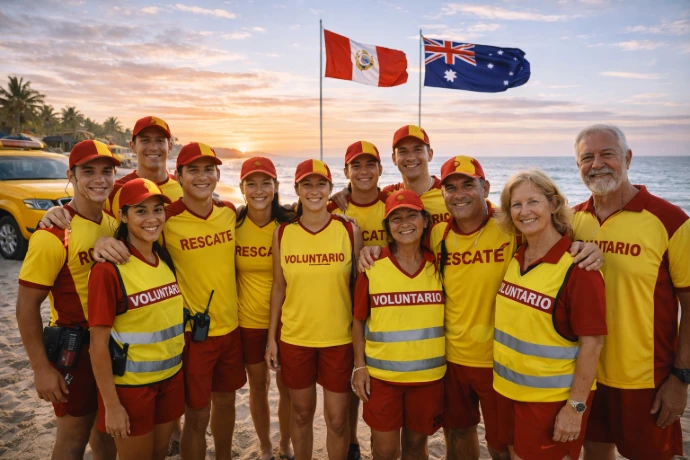
Evidence consistently shows that the highest drowning risk occurs outside patrolled areas, underscoring the critical value of education and visible patrol infrastructure.
3
Promote Volunteerism
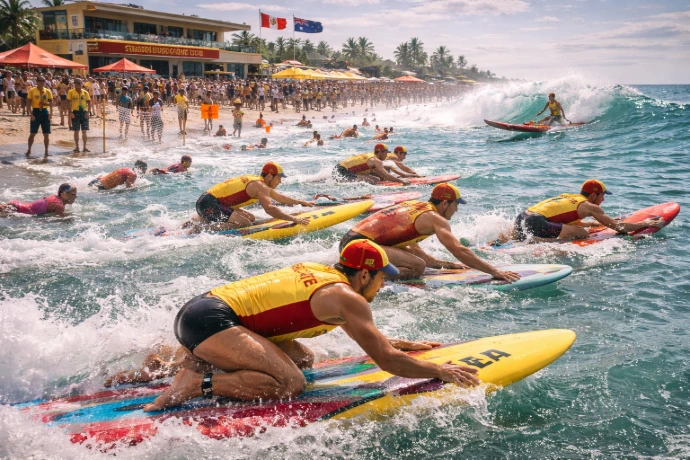
SLSA is built on structured volunteer participation, engaging:
Youth through junior programs
Emerging leaders through progressive pathways
Skilled adults across patrol, training, administration, and governance
This volunteer model strengthens community ownership and civic responsibility.
4
Sports and Physical Development
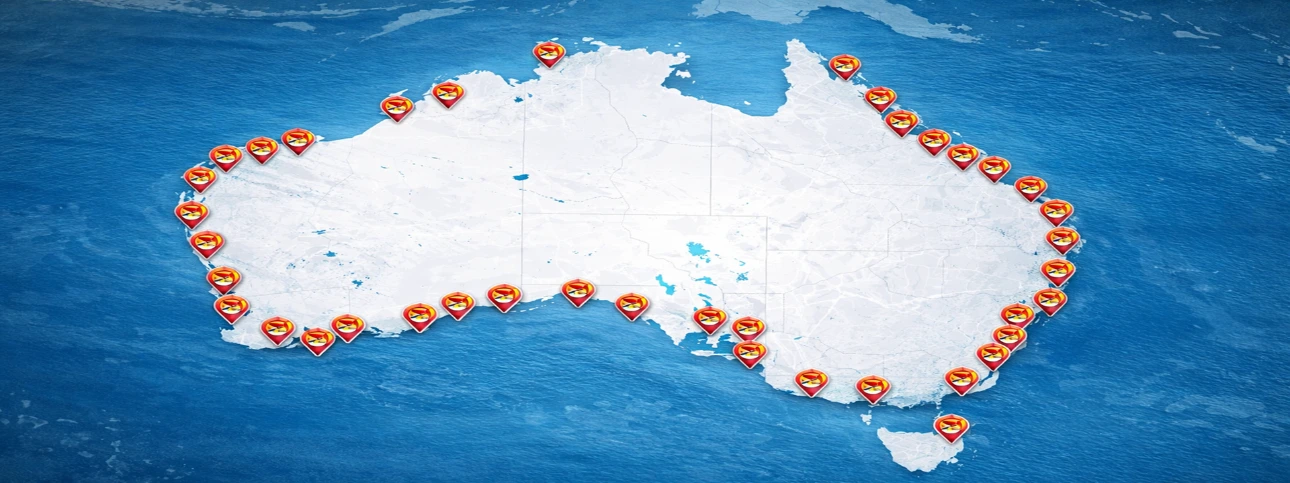
Lifesaving sport functions as a training engine, building:
Fitness and endurance
Rapid decision-making under pressure
Teamwork and operational discipline
Direct skills transfer to real rescue situations
Organisational Structure
How SLSA Scales Nationally
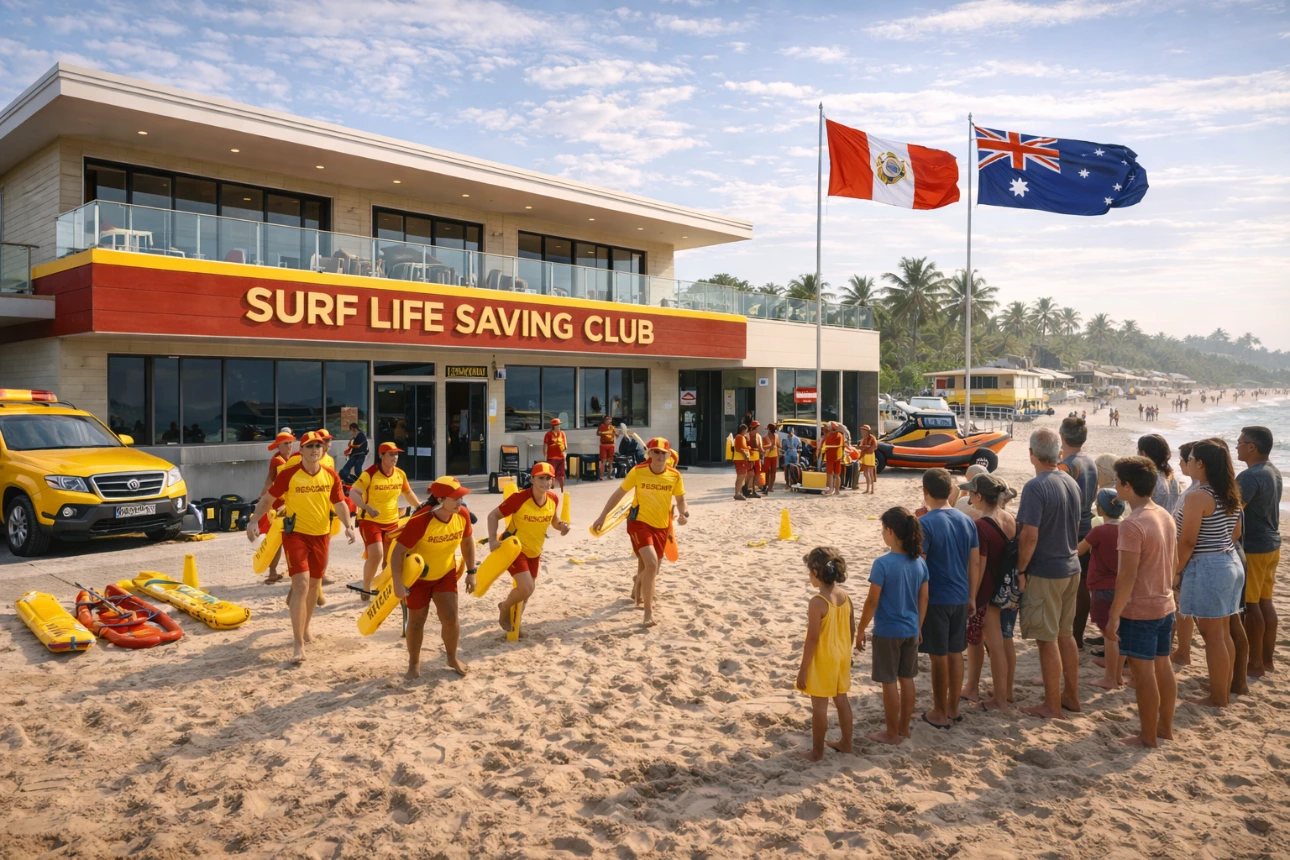
SLSA operates through a decentralised but highly coordinated structure:
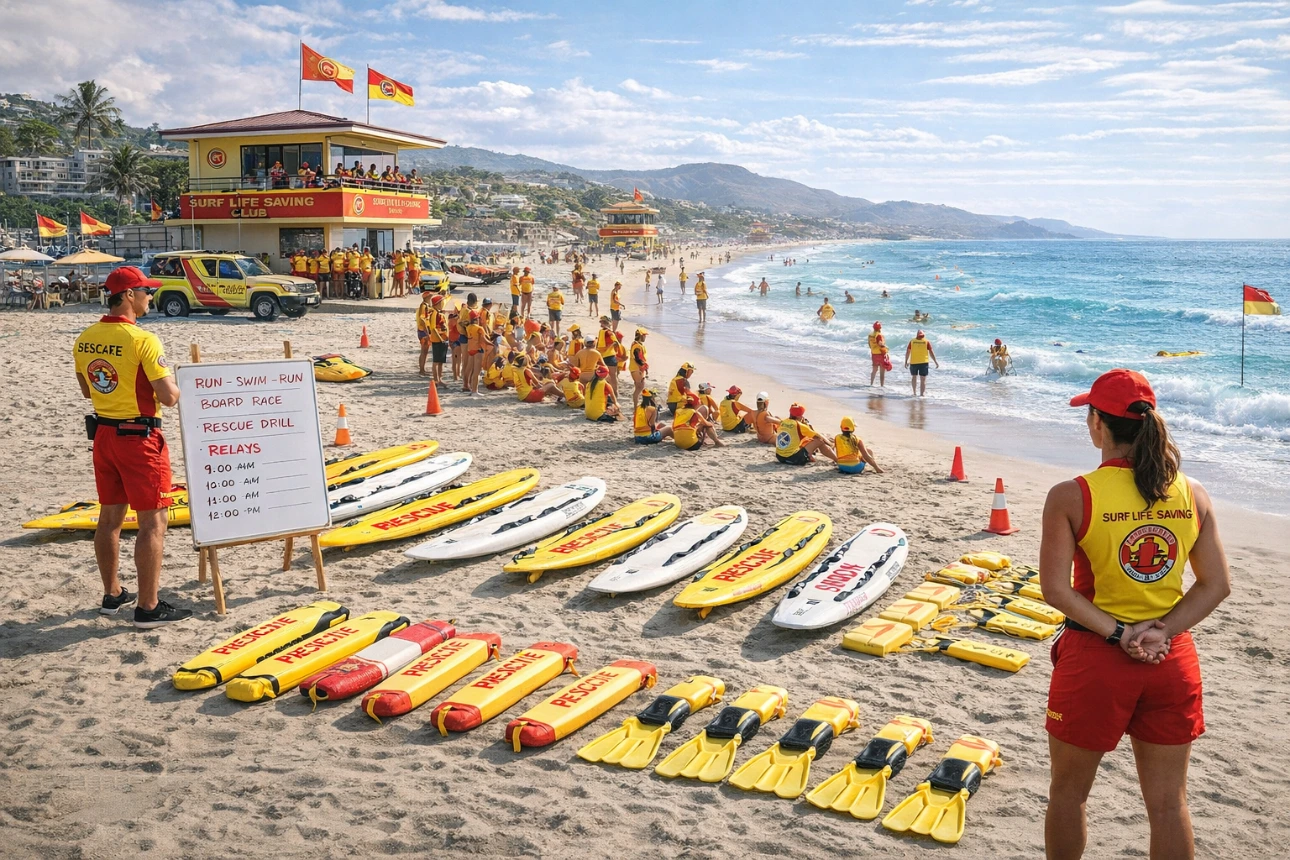
Local Clubs deliver patrols, training, and community programs
State and Territory Branches coordinate compliance and regional operations
National SLSA provides governance, standards, strategy, publications, and coordination
This design enables local responsiveness while maintaining national consistency—one of the key reasons the model is scalable.
Club Operations and Revenue Streams
SLSA clubs typically sustain operations through diversified funding sources:
Membership fees
Competitions and events
Community fundraising
Corporate sponsorships and donations
Government grants (program-specific and jurisdiction-dependent)
Many clubs also operate community-facing facilities that support long-term sustainability where permitted by regulation.
Community Impact and Social Benefits
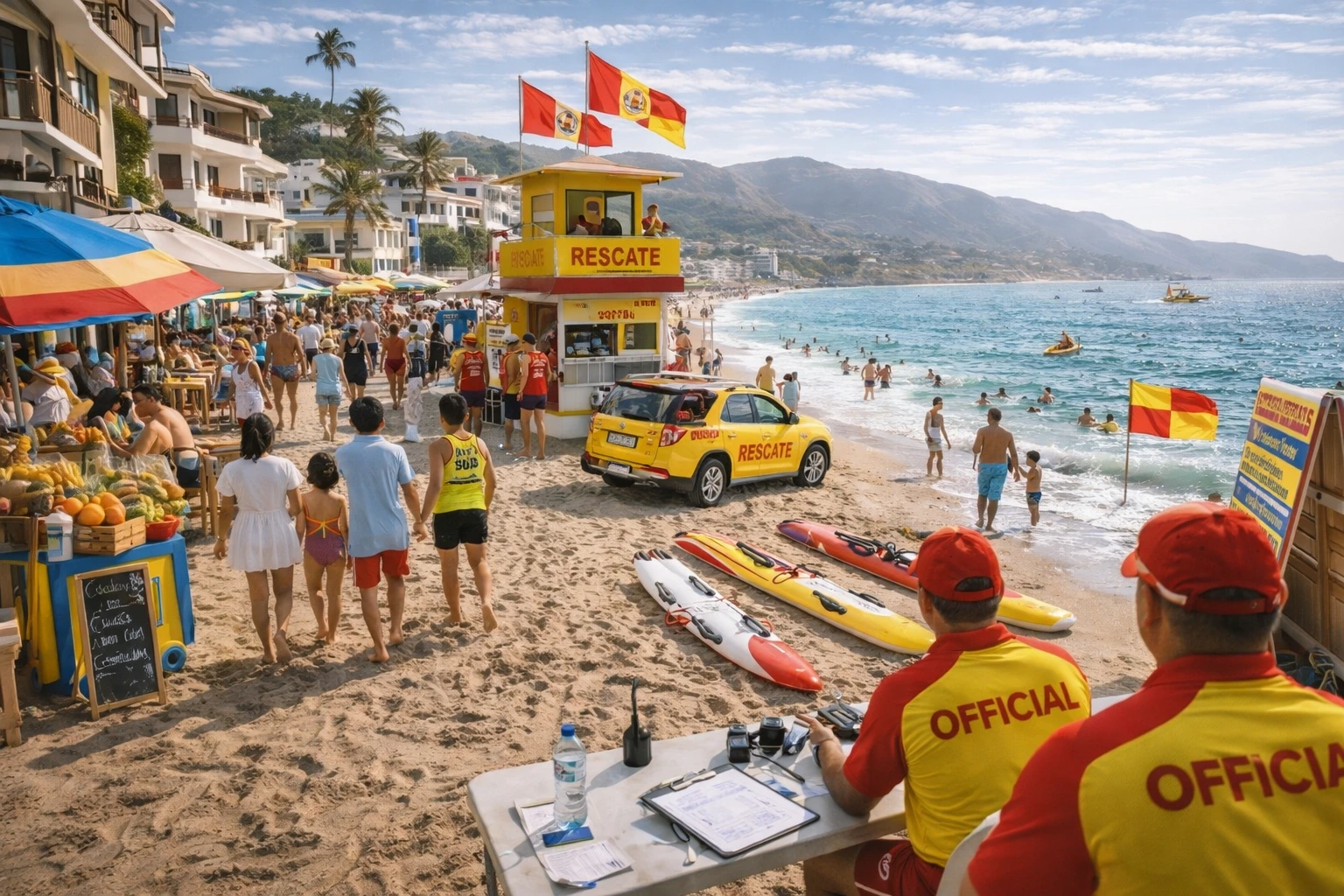
SLSA clubs function as community anchor institutions, delivering:
Strong civic engagement through volunteer culture
Transferable skills in first aid, leadership, and crisis response
Inclusive pathways for youth, families, and adults
Enhanced community emergency preparedness
✽ What We Offer
Economic Benefits and Socio-Economic Value
National Value of Surf Life Saving
Independent analysis commissioned by SLSA estimates that the organisation delivers approximately AUD $6.5 billion per year in social and economic value to Australia—primarily through lives saved and serious injuries prevented.
Tourism and Destination Confidence
Patrolled beaches attract higher visitation and greater public confidence. Research consistently shows drownings overwhelmingly occur away from flagged and patrolled areas—making lifesaving infrastructure a direct contributor to safer tourism outcomes.
Volunteer patrol hours contribute significantly to public service cost avoidance.
Lifesaving Sport Disciplines
(Water Rescue Sport)
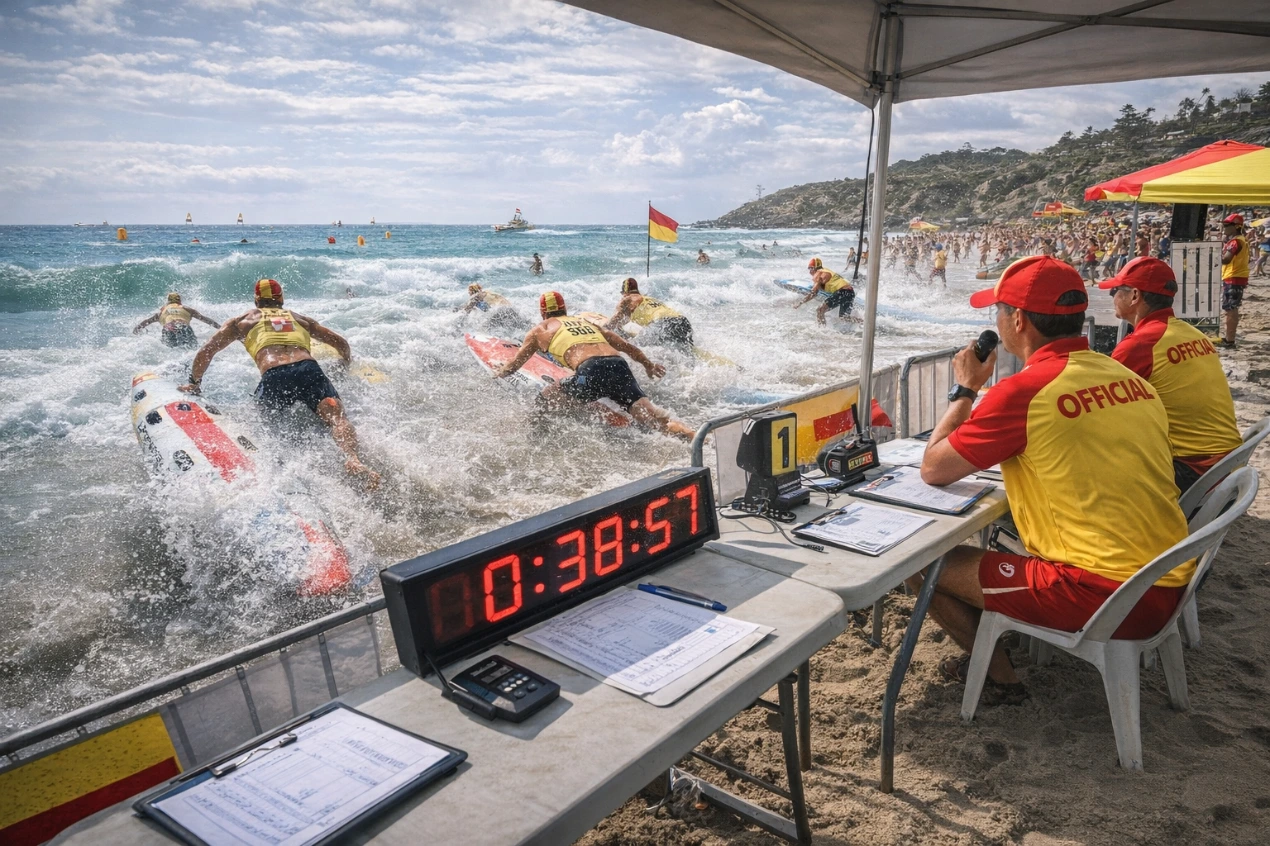
SLSA integrates lifesaving sport through disciplines such as:
Ironman / Ironwoman events
Rescue simulation events
Board, ski, and swimming races
Beach sprint and flags competitions
These disciplines reinforce operational readiness while promoting fitness and discipline.
Why This Matters for SLSP
Surf Life Saving Australia demonstrates that a lifesaving system can be:
Volunteer-powered and scalable
Standardised and professional
Community-owned yet nationally coordinated
Economically defensible through prevention and cost avoidance
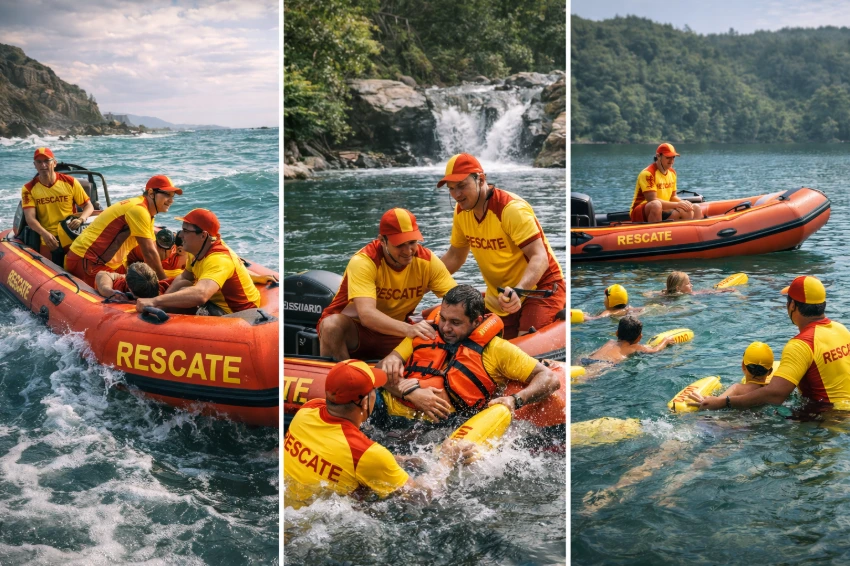
This is precisely why Surf Life Saving Peru (SLSP) is being developed using the SLSA architecture—adapted to Peru’s coastal, river, and lake environments.
SLSP is building Peru’s national lifesaving future using the world’s most proven volunteer water safety model.