Surf Life Saving Peru Network and Infrastructure
A Proven Model for National Lifesaving Excellence
.
Purpose
Surf Life Saving Peru (SLSP) is developing a national network and operational infrastructure of Surf Life Saving Clubs inspired by the proven principles, governance, and operational excellence of Surf Life Saving Australia (SLSA).
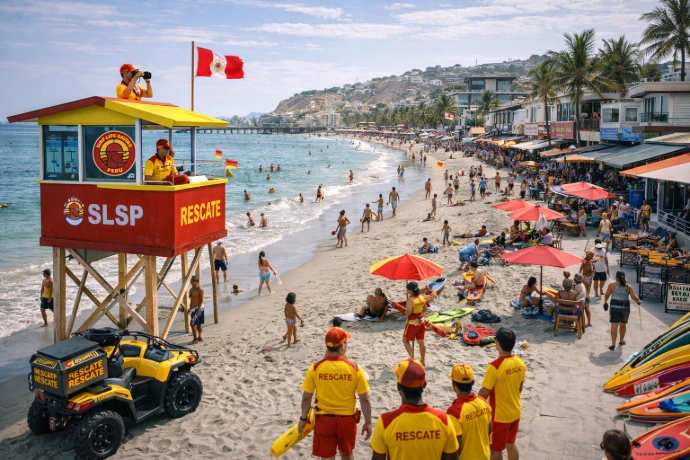
This network is designed to deliver a permanent, visible, and professional lifesaving presence across Peru’s coastal and inland aquatic environments, strengthening public safety, emergency readiness, and long-term community wellbeing.
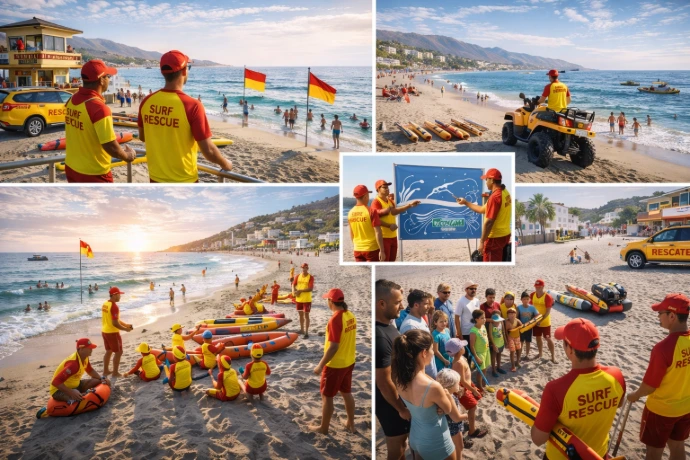
Each Surf Life Saving Club will operate as a centre of:
Lifesaving training and emergency preparedness
Youth development and leadership cultivation
Community service and coastal identity
Sport, discipline, and continuous improvement
General Objective
The objective of the Surf Life Saving Peru Network and Infrastructure is to establish a scalable, disciplined, and nationally coordinated system of Surf Life Saving Clubs, aligned with the SLSA model, to:
Improve public safety at Peru’s beaches through trained lifesavers
Develop structured rescue skills and first aid capability
Promote physical activity, discipline, and lifelong wellbeing
Strengthen community identity, inclusion, and volunteerism
Build a national culture of respect for the sea and coastal preservation
1
National Lifeguard Club Development Structure
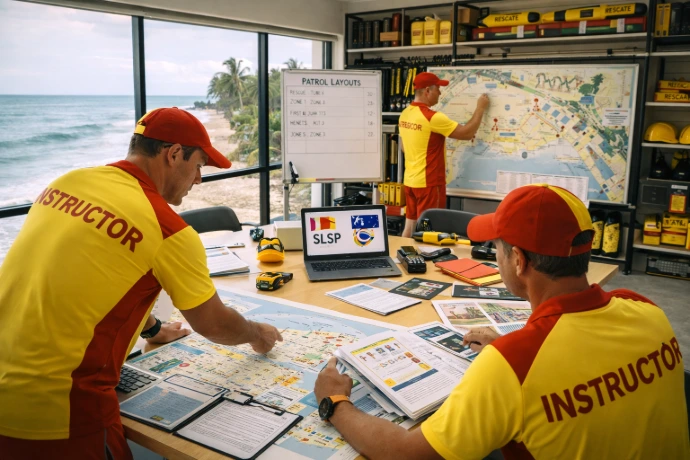
This approach ensures a system that is internationally aligned yet locally effective and sustainable.
1.1 Inspiration from the SLSA Model
Surf Life Saving Australia is internationally recognised for its standardised training systems, volunteer mobilisation, decentralised club delivery, and strong national governance.
SLSP adopts these strengths while adapting them to Peru’s realities, including:
Diverse beach geography and surf conditions
Uneven levels of water safety awareness
High-risk, historically unpatrolled coastal zones
The need for structured youth pathways and leadership development
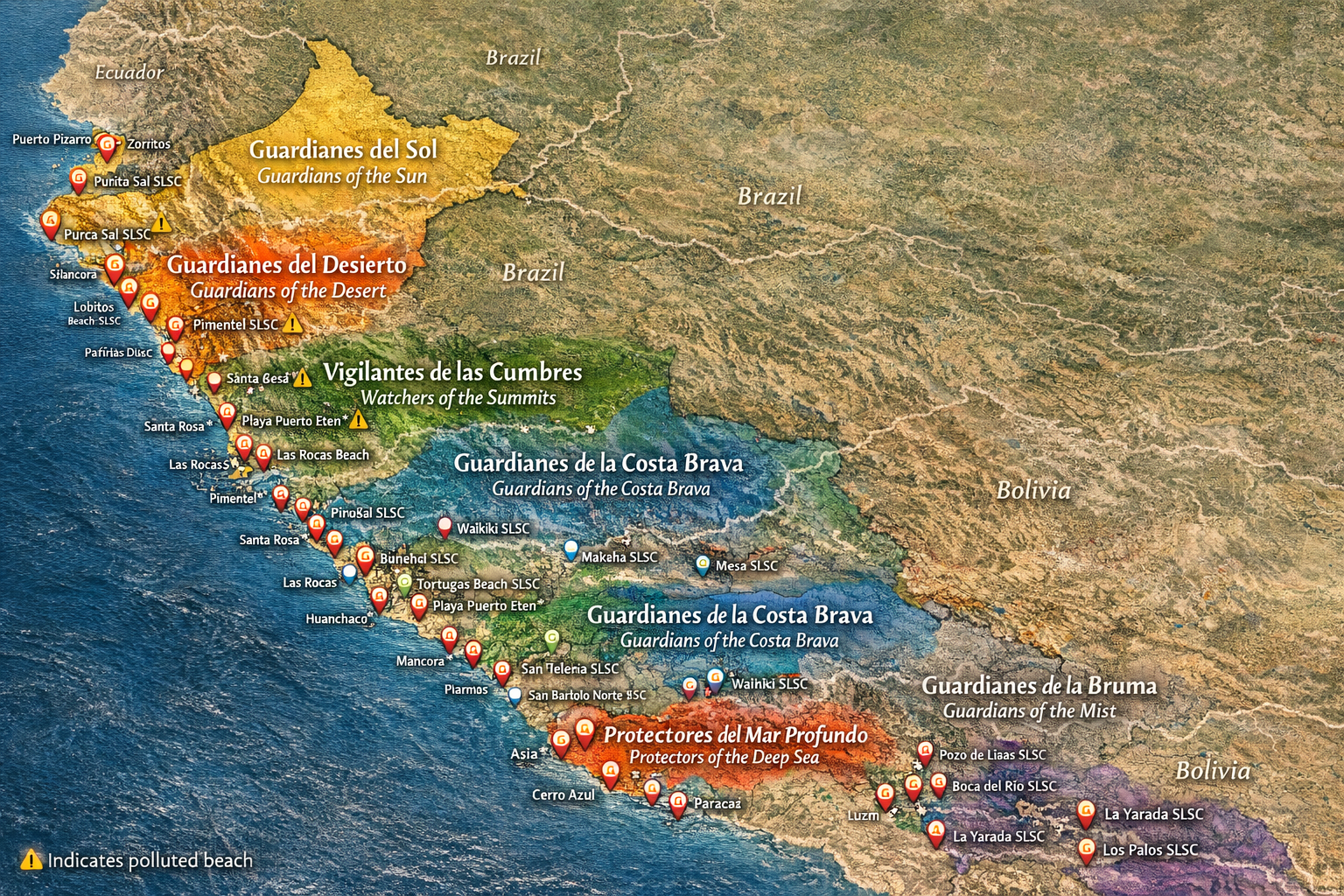 This network creates a cohesive national footprint while preserving local leadership and community ownership.
1.2 Geographical Network of Clubs
Surf Life Saving Clubs will be developed through SLSP’s seven-zone national structure, enabling disciplined rollout, efficient logistics, and strong local identity.
Zona Norte – “Guardianes del Sol” (Tumbes & Piura): 14 Clubs
Zona Centro-Norte – “Guardianes del Norte” (Lambayeque & La Libertad): 10 Clubs
Zona Ancash – “Guardianes del Ande” (Ancash): 8 Clubs
Zona Lima Metropolitana – “Guardianes Metropolitanos” (Lima): 13 Clubs
Zona Sur – “Guardianes del Sur” (Ica & Cañete): 6 Clubs
Zona Sur-Andina – “Guardianes de los Andes” (Arequipa): 5 Clubs
Zona Fronteriza – “Guardianes de la Frontera” (Moquegua & Tacna): 4 Clubs
1.3 Club Performance and Development Goals
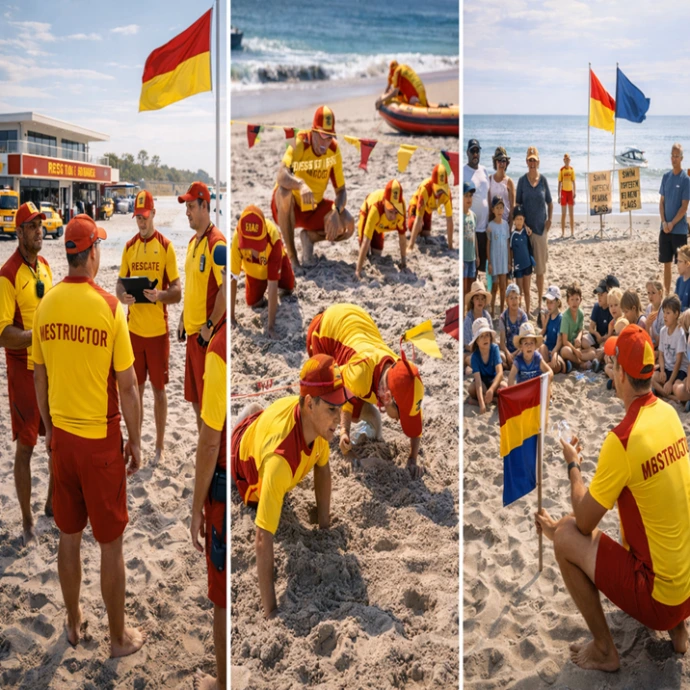
Each club within the SLSP network will operate with clearly defined objectives:
Beach Safety
Train and deploy qualified lifesavers
Establish visible patrol systems and safety messaging
Reduce preventable incidents and drownings
Training and Operational Readiness
Develop physical, technical, and decision-making capability
Maintain rescue readiness through realistic drills
Foster a culture of continuous improvement
Community Culture
Build strong community identity and pride
Promote volunteerism as a social norm
Strengthen youth engagement and inclusion
Health and Wellbeing
Promote fitness, resilience, and discipline
Encourage environmental respect and responsibility
Improve mental and physical wellbeing for all participants
2
Core Components of the SLSP Network
NIPPERS (Children & Adolescents | 7–14 years)
Basic surf safety and awareness
Discipline, teamwork, and confidence
Foundations for future leadership
Youth Lifeguards (15–18 years)
Rescue techniques and equipment handling
First aid and emergency response fundamentals
Leadership habits and community responsibility
Adult Lifeguards (18+ years)
Advanced rescue capability
Incident management and coordination
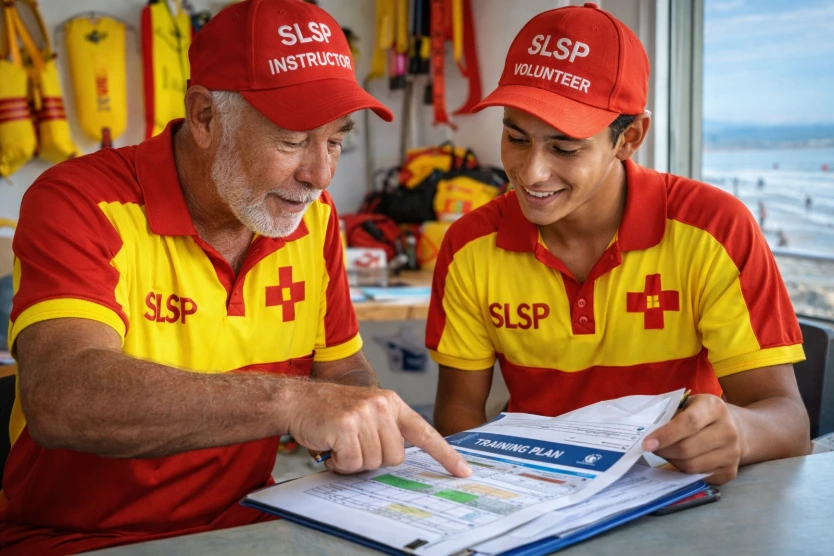
Mentoring, instruction, and governance roles
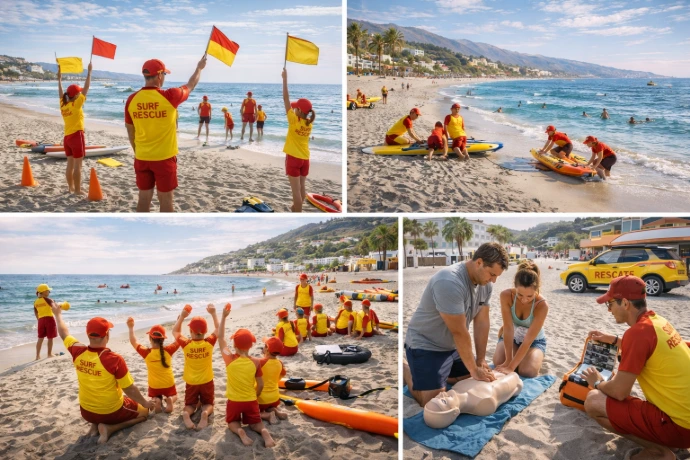
2.1 Education and Training Pathways
Training is the central operating system of the SLSP network. Clubs will implement a progressive, structured pathway adapted from the SLSA model.
2.2 Competitions and Operational Events
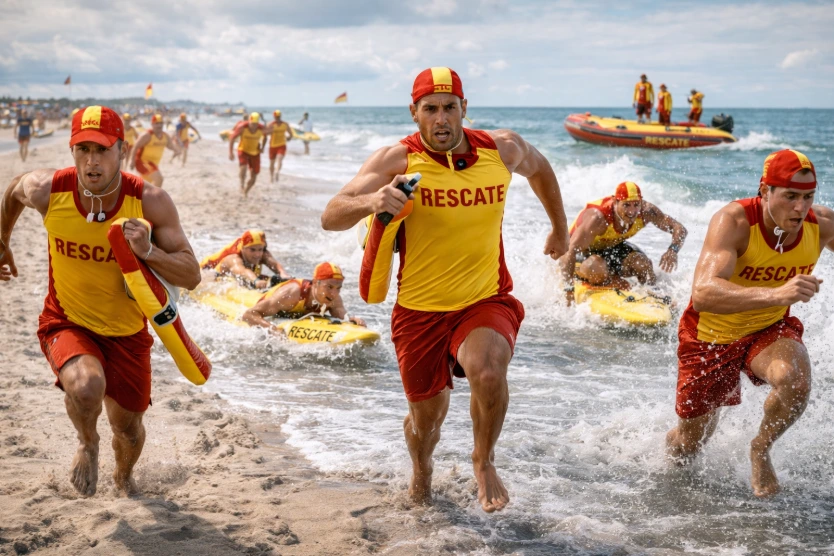
Competition functions as a disciplined training engine, reinforcing fitness, teamwork, and real-world rescue readiness.
Events will include:
Lifesaving skills competitions
Board and boat rescue events
Scenario-based rescue and first aid drills
Open water swimming competitions
2.3 Community Engagement and Environmental Stewardship
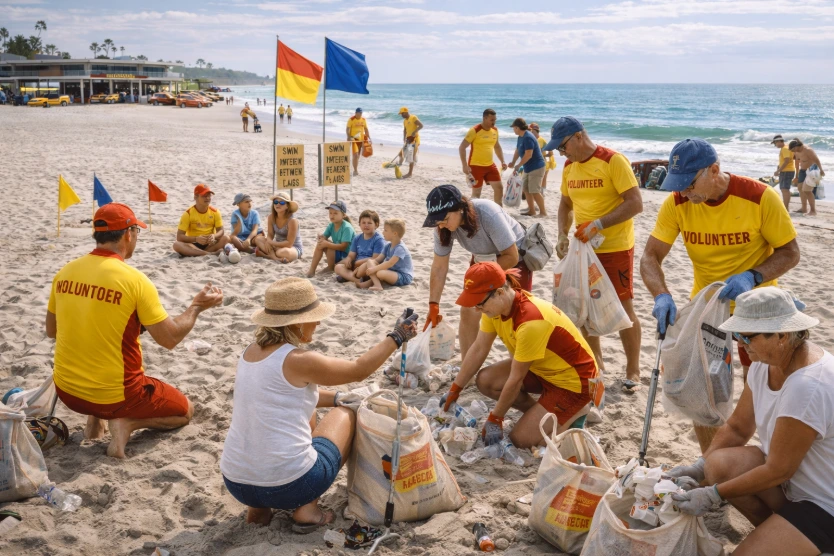
SLSP clubs operate as community anchors, strengthening local responsibility and environmental awareness.
Programs include:
Beach and coastal clean-ups
Safety education sessions for residents and visitors
Inclusive sporting and recreational events
2.4 Youth Leadership Development
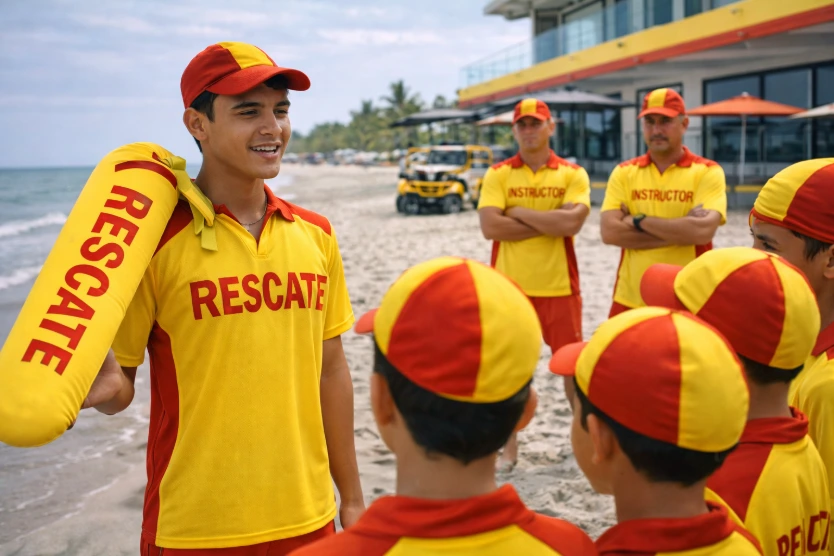
Youth leadership is intentionally cultivated across the network.
Young leaders are trained to:
Coordinate junior programs
Lead safety awareness campaigns
Mentor new participants
Model discipline, respect, and environmental responsibility
3
National and International Competition Pathways
3.1 National Lifeguard League
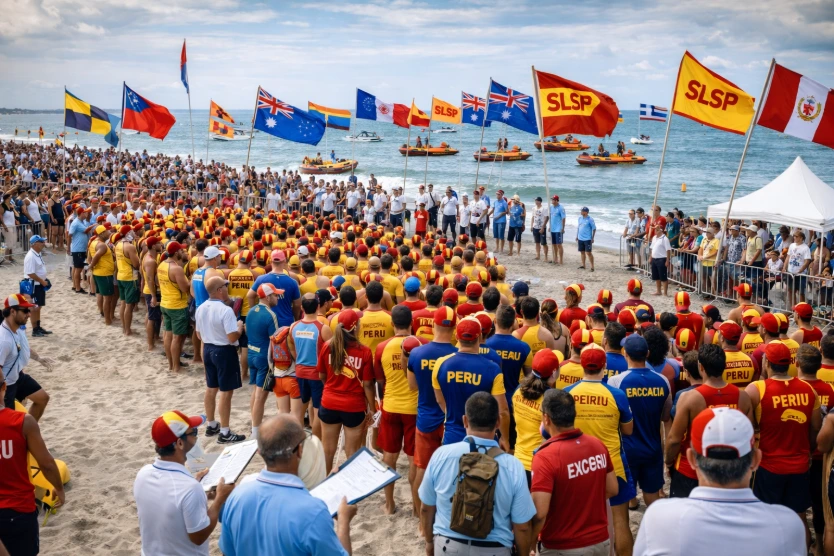
SLSP will establish a National Lifeguard League, bringing together top teams from each zone for an annual national event.
This league will:
Raise technical standards
Strengthen national identity
Boost tourism visibility
Position Peru as a safety-led coastal destination
3.2 International Representation
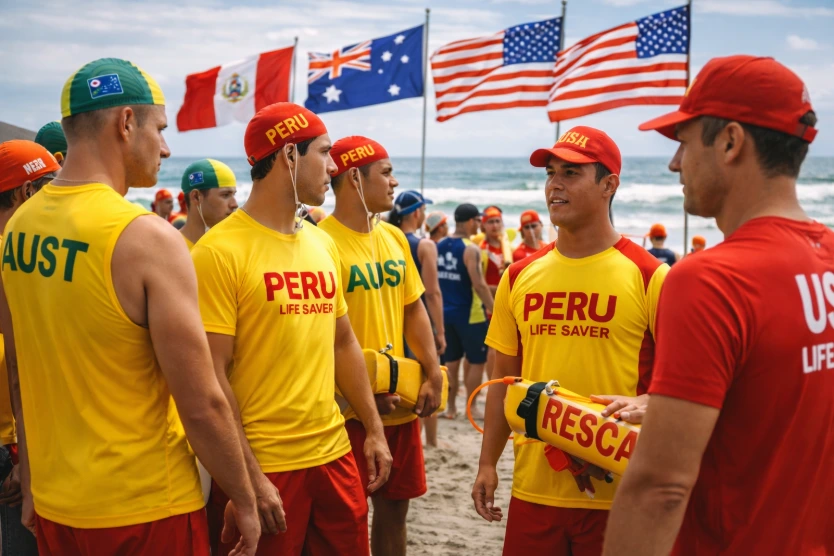
A long-term objective is to prepare Peruvian lifesaving teams for international competition, positioning Peru as a regional benchmark in aquatic rescue capability.
Hyper-Realistic Image Description
Peruvian lifesavers train alongside international teams on a beach. National colours are visible, and the mood is focused and aspirational, reflecting readiness for global participation.
4
Televised Lifeguard Series and Public Engagement
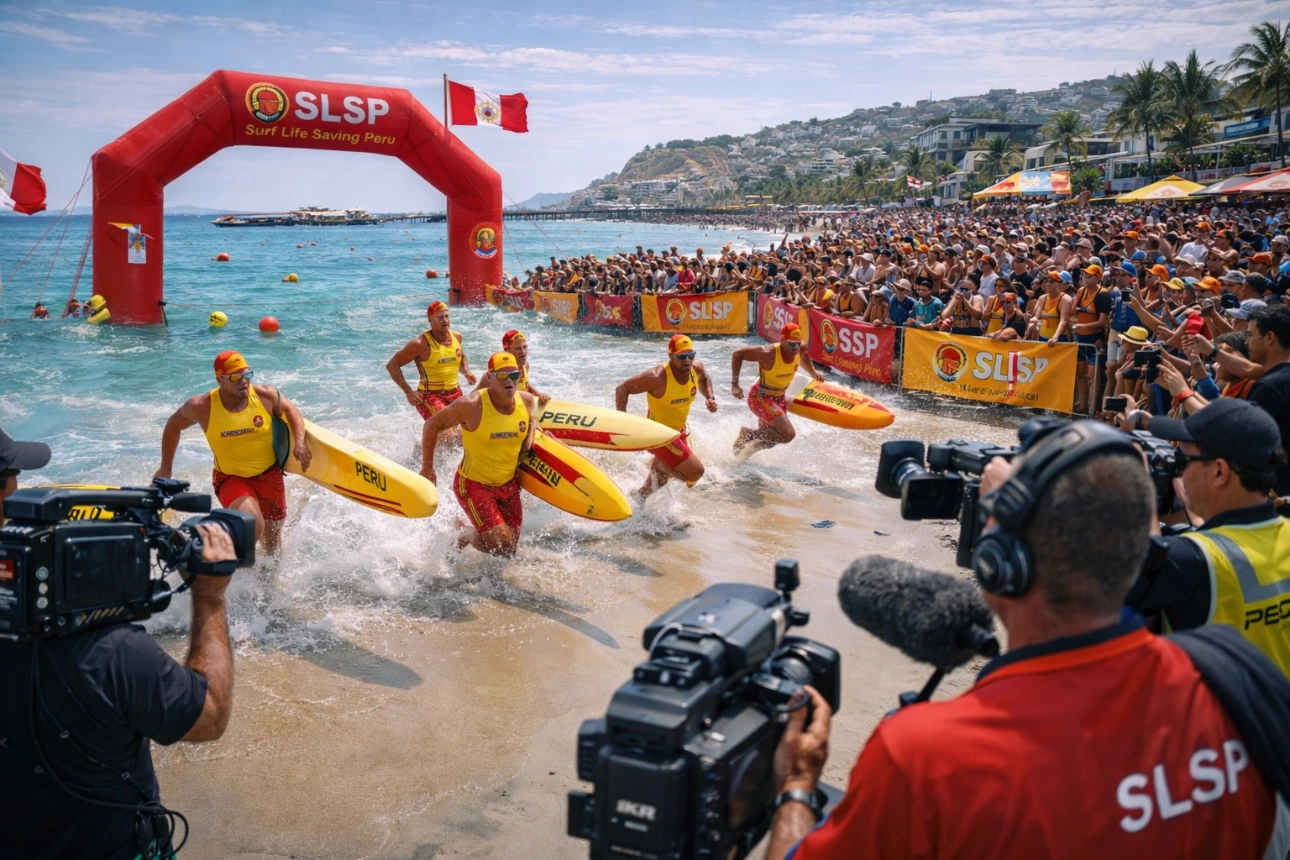
SLSP will develop a televised lifesaving series showcasing club activity, training, and competition.
The series will:
Promote public understanding of lifesaving
Highlight Peru’s coastline and aquatic environments
Encourage healthy lifestyles and community pride
5
Collaboration With Open Water and Endurance Sports
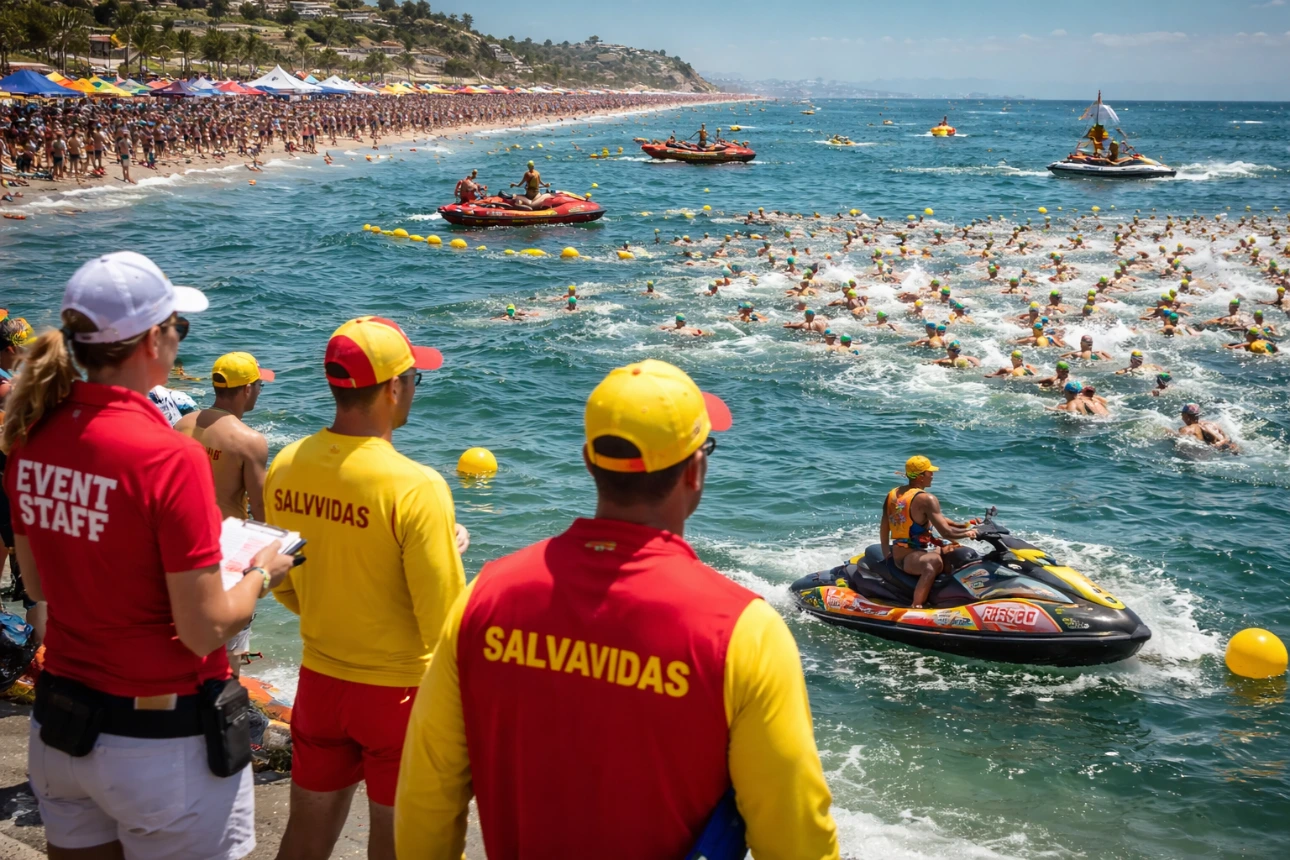
SLSP clubs will collaborate with open water swimming, triathlon, and endurance sport associations.
This collaboration enables:
Shared infrastructure and logistics
Larger, safer events
Stronger public safety messaging
6
Embedding a Sustainable Lifeguard Club Culture
6.1 Socio-Economic Wellbeing
Each club delivers measurable local benefit beyond safety by contributing to:
Community cohesion and pride
Youth discipline and leadership
Tourism confidence
Local economic resilience
6.2 Leadership and Training Opportunities
SLSP clubs will introduce scholarships, mentoring, and leadership development programs to:
Increase employability
Develop community-focused leaders
Ensure long-term sustainabilit
The Surf Life Saving Peru Network and Infrastructure—guided by the Surf Life Saving Australia model—will deliver profound and lasting national benefit.
This initiative will:
Save lives - Build a disciplined culture of responsibility and service - Develop youth leadership pathways
Promote health, sport, and environmental respect - Position Peru as an emerging benchmark in aquatic safety and coastal development
Surf Life Saving Clubs will become the backbone of Peru’s aquatic safety system— protecting lives while building stronger, safer communities.