SLSP
The Initiative
SLSP was conceived to bring together Peru’s diverse maritime and lifesaving associations under one cohesive national entity, modeled on the internationally proven and financially sustainable framework of Surf Life Saving Australia (SLSA). This unified structure enables consistency in standards, training, governance, and service delivery, while empowering local communities through decentralised clubs and regional zones.
SLSP is now fully established and officially recognised by the Superintendencia Nacional de los Registros Públicos (SUNARP). Since its formal registration, the organisation has exceeded initial milestones at an accelerated pace, demonstrating strong execution capability and tangible impact. In collaboration with the Asociación de Salvavidas Socorristas del Perú (ILS Full Member) and with the support of the International Life Saving Federation (ILS), SLSP has successfully unified 16 associations and more than 1,100 active members under a single national banner.
This rapid progress confirms SLSP’s core objective: to transform fragmented lifesaving efforts into a coordinated, scalable, and internationally aligned national system capable of attracting international support, foreign investment, and strategic partnerships. SLSP provides a clear organisational structure and an attractive, purpose-driven operational model that aligns public safety outcomes with long-term infrastructure development and socio-economic value creation.
Inspired by the SLSA model, SLSP’s strategic objective includes the establishment of 60 Australian-style Surf Life Saving Clubs along Peru’s coastline, complemented by an additional 60 clubs operating across rivers and lakes, including Amazonian and Andean regions. Together, these clubs will form the backbone of a world-class lifesaving network delivering patrols, training, education, environmental stewardship, and community leadership.
SLSP is not merely a safety initiative; it is a national development platform. Its objectives extend beyond drowning prevention to include the strengthening of community resilience, the promotion of safe and sustainable tourism, the creation of volunteer and employment pathways, and the delivery of measurable social and economic impact.
What began as a strategic vision has become a proven, fast-moving national movement. SLSP now stands at a pivotal moment—ready to scale, ready to partner, and ready to redefine water safety in Peru for generations to come.
Creation of Surf Life Saving Peru
(SLSP)
For Integrated Coastal, River, and Lake Development in Peru
.
Surf Life Saving Peru (SLSP) was created as a national response to the need for a coordinated, inclusive, and sustainable framework for water safety, coastal development, and community wellbeing in Peru. Its establishment represents a structural shift from fragmented maritime efforts toward a unified national association capable of delivering safety, development, and environmental stewardship at scale.
The creation of SLSP is grounded in the recognition that Peru’s coastlines, rivers, lakes, and estuaries are vital social, cultural, economic, and environmental assets that require integrated governance, professional lifesaving capability, and long-term infrastructure investment.
General Objective
The general objective of SLSP is to establish a National Association for Coastal and Aquatic Development in Peru, incorporating associations, institutions, and stakeholders with maritime and aquatic interests under a single, cohesive national structure.
This national front is designed to:
Strengthen Peru’s coastal, river, and lake infrastructure
Promote a new culture of community, inclusion, health, and wellbeing
Enable sustainable development and preservation of aquatic environments
Align safety, tourism, sport, and environmental protection objectives
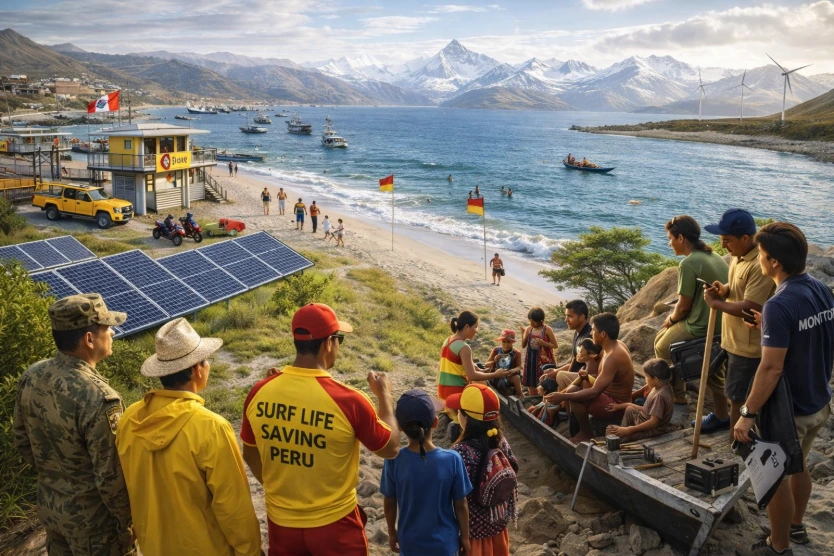
Through strategic alliances, diversified financing, and a sustainable operating model, SLSP serves as a platform for long-term national development rooted in water safety.
Unification of Maritime and Aquatic Associations
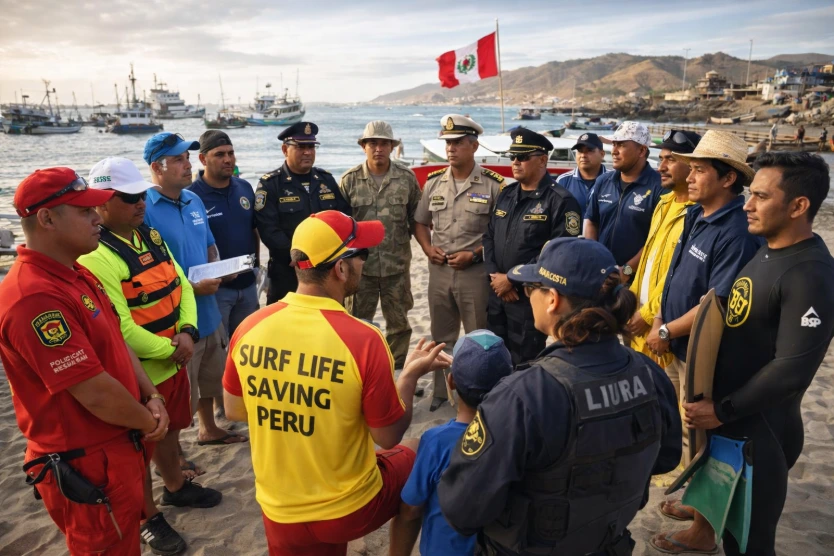
A foundational pillar of SLSP’s creation is the unification of Peru’s maritime and aquatic organisations, consolidating expertise, resources, and leadership under a nationally coordinated framework.
Key Partners and Stakeholders Include, but not limited to:
- Asociación de Salvavidas Socorristas del Perú
- Unidad de Rescate de la Policía Nacional del Perú (PNP)
- Asociación de Aguas Abiertas del Perú
- Federations of Surf and Aquatic Sports
- Coastal Tourism Associations
- Sustainable and Artisanal Fishing Associations
- National, Regional, Provincial, and District Governments
- Marine and Environmental Conservation NGOs
- Collaboration with the Peruvian Navy and Peruvian Coast Guard
- Body Surfing Peru (BSP)
Project Leadership
Adam Perry Taylor, legally blind Internationally ranked Open Water Swimmer in the S13 and Open Age Group Divisions, 2 times former Australian Junior Ironman Champion, who began his Surf Life Saving Career at just 6 years.
Now, more than 40 years later, along with the support of the Asociación de Salvavidas Socorristas del Perú, as Peru’s only Full Member of the International Life Saving Federation (ILS), led the initial phase of SLSP’s formation.
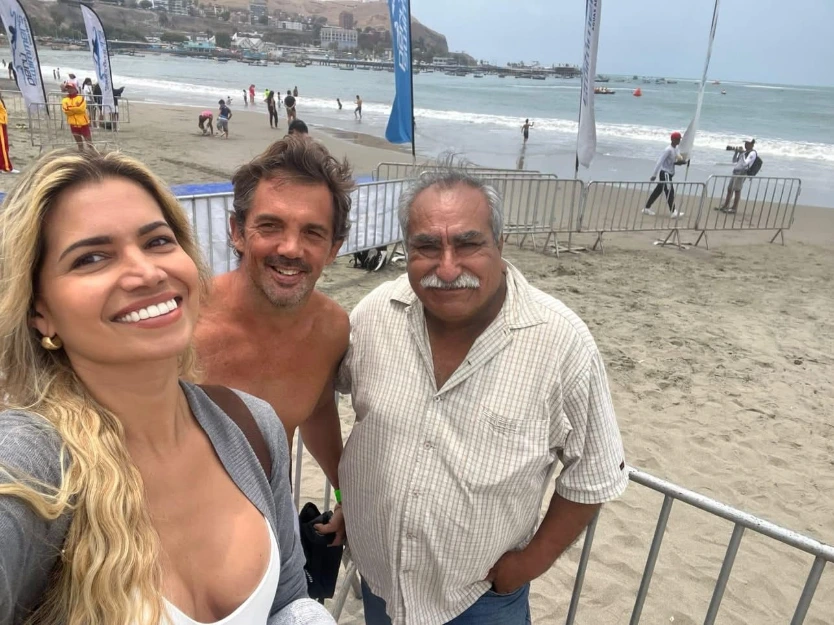
The Executive Board of Surf Life Saving Peru (SLSP): Helen Aponte Saucedo, Adam Perry Taylor & Daniel Surco Chavez, President of the Maximun Surf Life Saving Association recognized by International Life Saving Federation in Perú, at the Ocean Man event in Chorrillos, Lima in December 2024.
This leadership ensured that SLSP was built on internationally recognised lifesaving standards, governance principles, and operational credibility from inception.
Goal of Unification
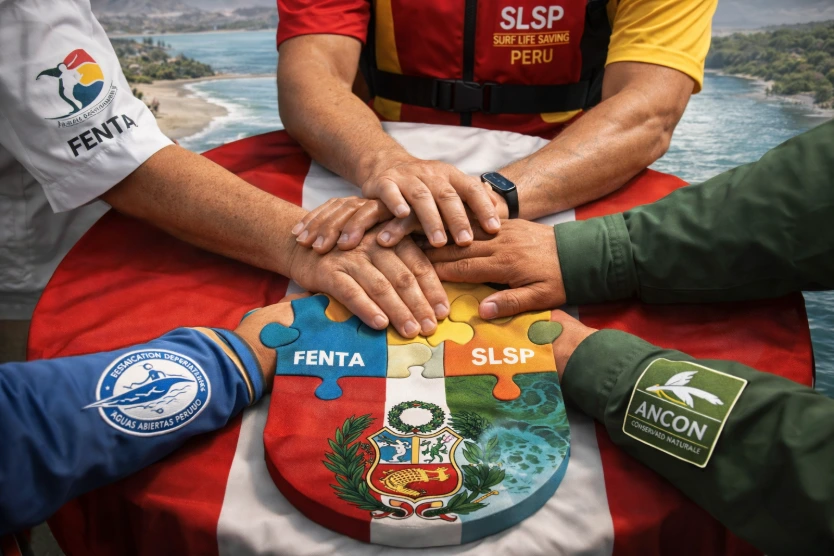
The goal of SLSP is to consolidate collective efforts, professional expertise, and financial resources into a unified national structure that represents the shared interests of Peru’s maritime and aquatic sectors, driving stronger social, economic, and environmental outcomes for coastal and inland communities.
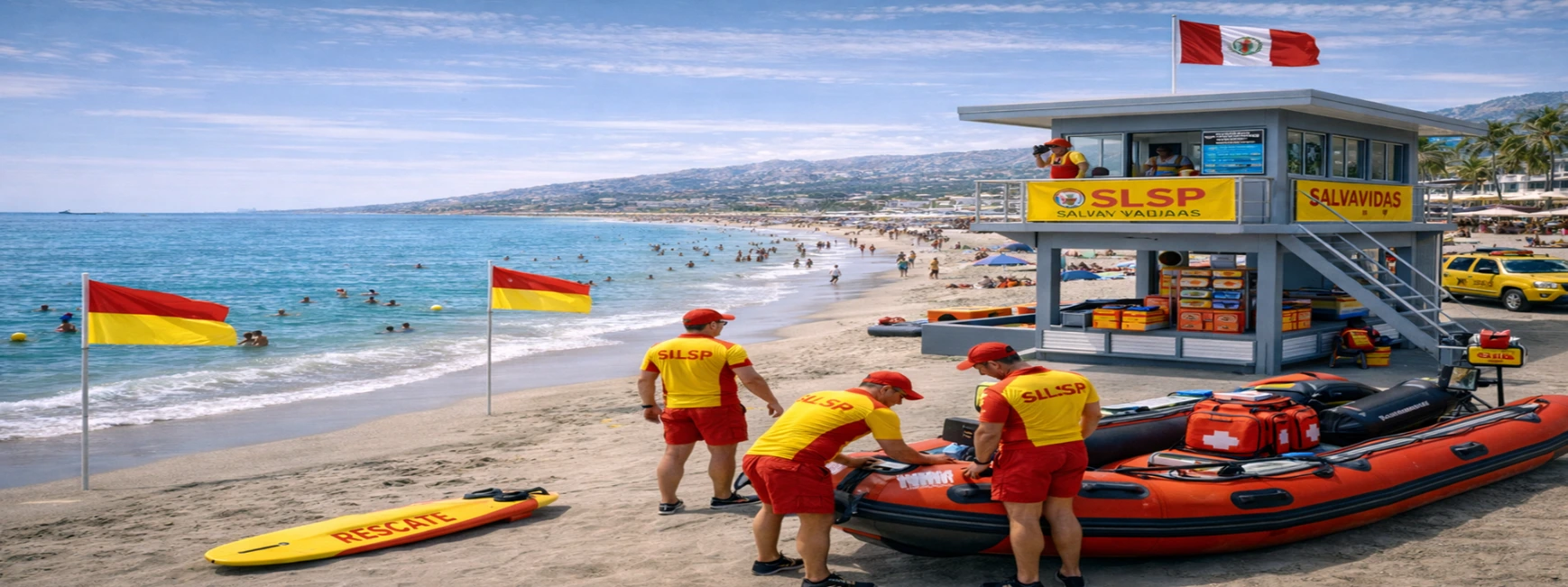
GDevelopment of an Integrated Infrastructure Model
SLSP was created with a clear mandate to support integrated infrastructure development that combines safety, wellbeing, sport, education, and environmental protection.
Core Infrastructure Components Include:
1
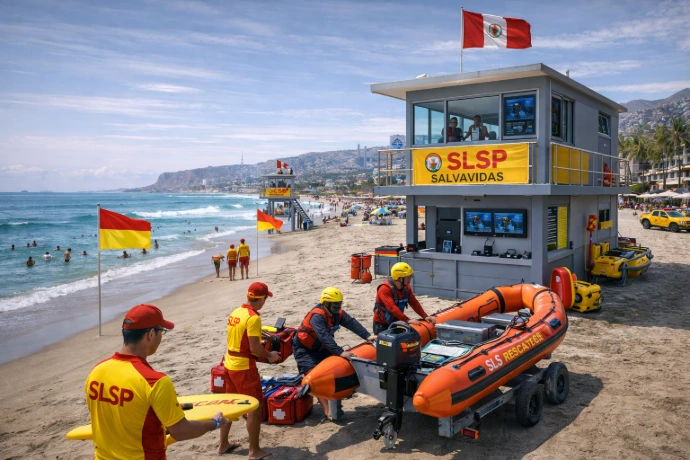
Coastal Rescue and Safety Infrastructure
Establishment of strategically located lifesaving bases equipped with modern rescue technology, communications systems, and professional equipment to significantly improve public safety.
2
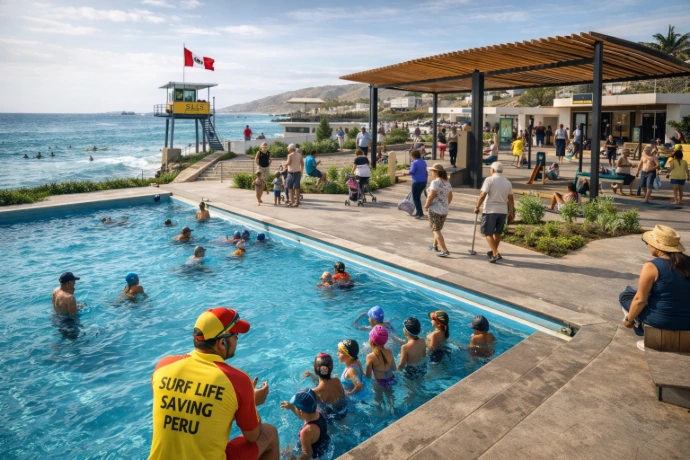
Community Recreation and Wellness Centres
Creation of inclusive spaces promoting swimming, surf lifesaving, fitness, yoga, and community health programs, alongside education in water safety and ocean awareness.
3
Sport and Sustainable Tourism Infrastructure
Development of facilities supporting water sports, marine observation zones, and eco-tourism routes that respect and preserve natural ecosystems.
4
Education and Coastal Culture Spaces
Training centres and community hubs that foster values of inclusion, environmental responsibility, respect for the sea, and civic participation.
Financing Strategy and Strategic Alliances
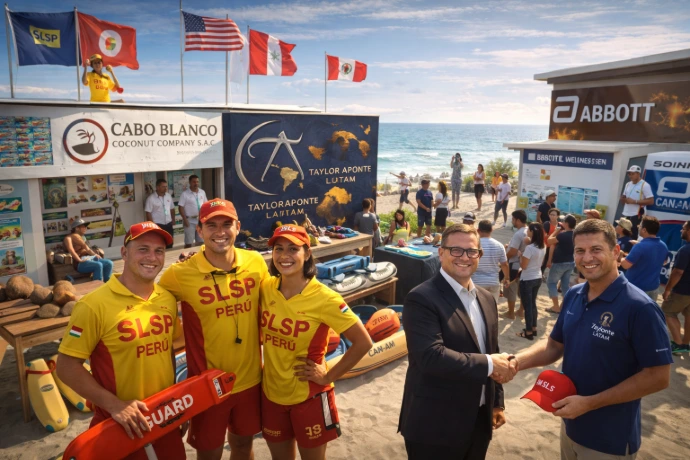
SLSP was designed from the outset with a diversified and sustainable financing strategy, combining international partnerships, corporate support, and public-sector collaboration.
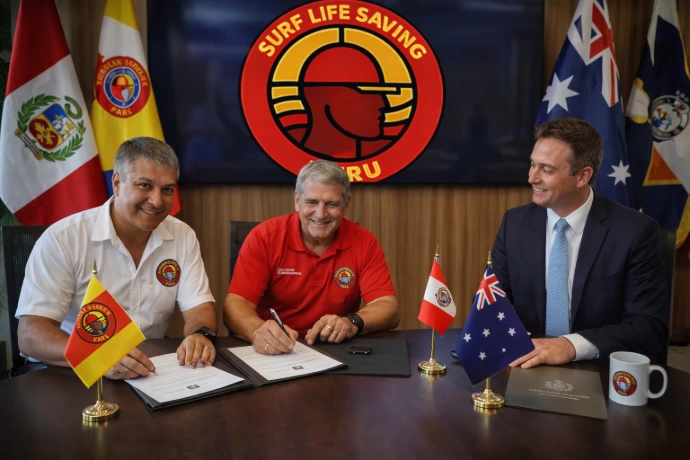
International Partnerships
Technical guidance and institutional support from Surf Life Saving Australia (SLSA) and other international marine safety organisations
Access to international tourism, safety, and sustainability funds and grants
Corporate Sponsorship and Philanthropy
Partnerships with tourism, health, wellness, and water sports brands
Sponsorship of infrastructure, events, equipment, and training programs
Strong corporate social responsibility alignment through visible social impact
Government Support and National Financing
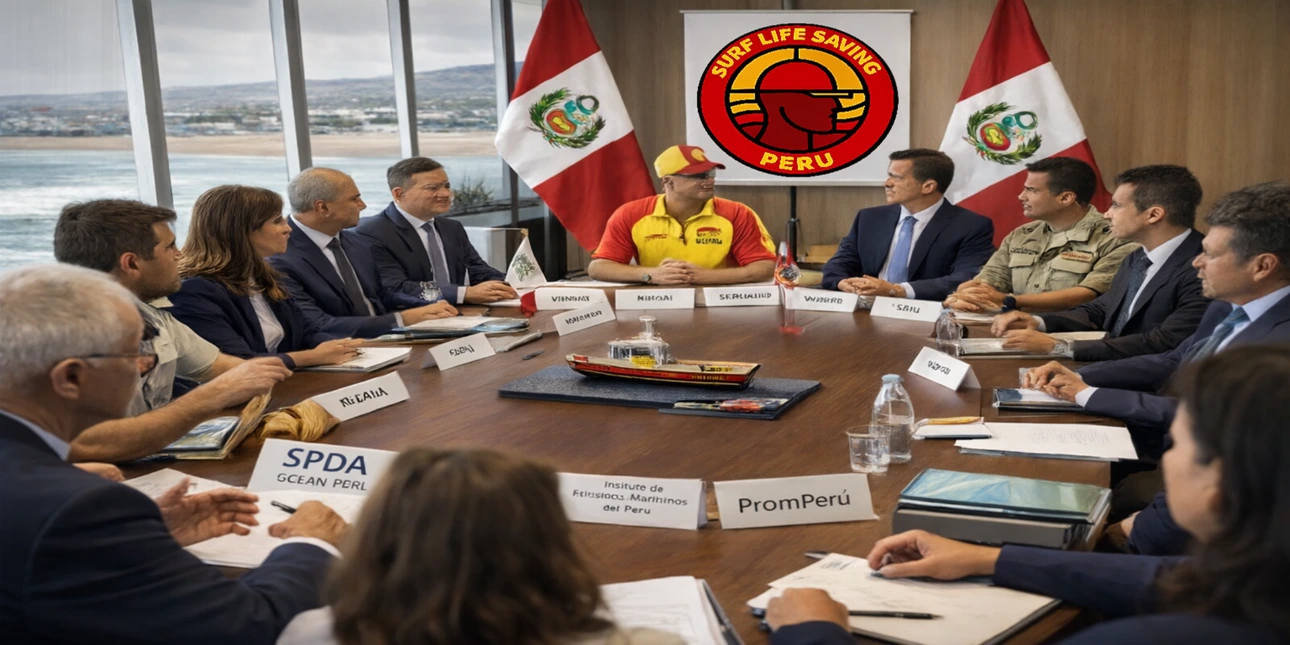
SLSP works in coordination with multiple Peruvian government institutions, including:
Ministerio del Ambiente (MINAM)
SERNANP
IMARPE
Superintendencia Nacional de Bienes del Estado (SBN)
Sociedad Peruana de Derecho Ambiental (SPDA)
Oceana Perú
Instituto de Estudios Histórico-Marítimos del Perú
Profonanpe
PromPerú
Autoridad Portuaria Nacional (APN)
Regional, Provincial, and District Governments
Fostering a Coastal Culture of Community and Wellness
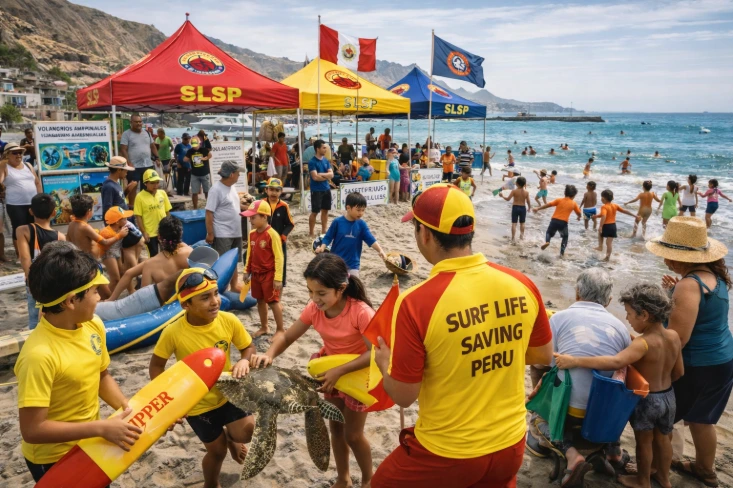
SLSP was created to cultivate a new coastal and aquatic culture centred on safety, inclusion, health, and environmental responsibility.
Key initiatives include:
Community education and inclusion programs for all ages
Youth engagement in swimming, rescue, and conservation
Annual wellness events and regional water sports competitions
Development of lifesaving and water sports clubs as community leadership hubs
These clubs serve as engines of youth development, volunteerism, discipline, and long-term community resilience.
Health, Safety, and Environmental Preservation Programs
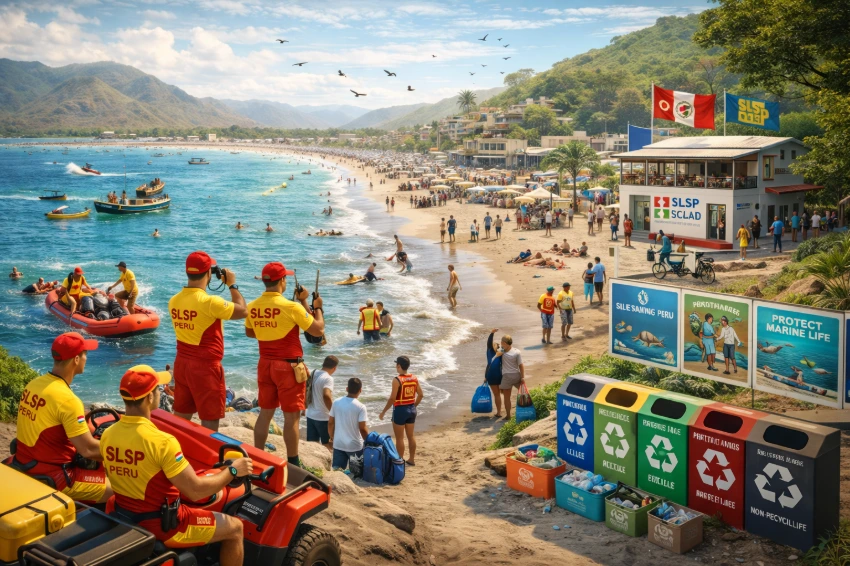
SLSP implements integrated programs that combine safety and sustainability:
Continuous maritime, river, and lake rescue training aligned with international standards
Environmental conservation, monitoring, and clean-up campaigns
Recycling and conservation stations in key coastal and aquatic zones
Promotion of sustainable fisheries and responsible tourism practices
Expected Impact on Coastal and Aquatic Development in Peru
The creation of SLSP establishes a national platform for transformation, delivering measurable impact including:
- Significant reduction in accidents and drownings through trained, strategically located lifesavers operating from dedicated clubs
- Stronger community identity and connection to aquatic environments
- Economic growth through sustainable tourism, job creation, and infrastructure investment
- Protection of marine and freshwater ecosystems through education and sustainable practices
Surf Life Saving Peru represents a once-in-a-generation opportunity to transform Peru’s relationship with its coasts, rivers, and lakes.
Through strong partnerships, institutional support, and international collaboration, SLSP is building a safe, inclusive, and environmentally responsible aquatic future—positioning Peru as a regional leader in water safety, sustainability, and community-driven development across the Pacific and continental regions.