Operational Plan
Surf Life Saving Peru (SLSP) will be implemented through a structured, phased operational plan designed to ensure institutional strength, operational readiness, and long-term sustainability.
The plan is based on international best practice derived from the Surf Life Saving Australia (SLSA) model, adapted to Peru’s geographic, social, and institutional context.
.
Implementation Phases
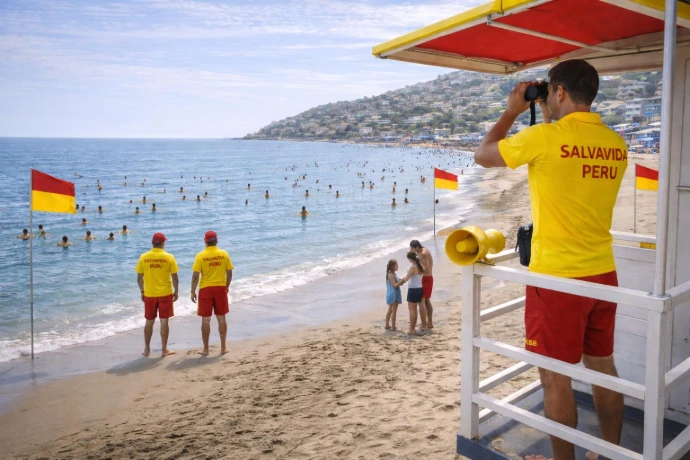
Phase I: Planning and Hiring of Personnel (First 6 Months)
Ensure readiness and reliability
Recruit key national and regional leadership roles
Establish governance, legal structures, and operational frameworks
Secure seed funding and formalise strategic alliances
Regular inspection and maintenance of rescue equipment
Appointment of Regional Directors, Head Coaches, and Technical Advisors
Formalisation of partnerships with national and international stakeholders
Formation and legal registration of each Surf Life Saving Club as a recognised non-profit association
Establishment of Club Boards of Directors and General Assemblies
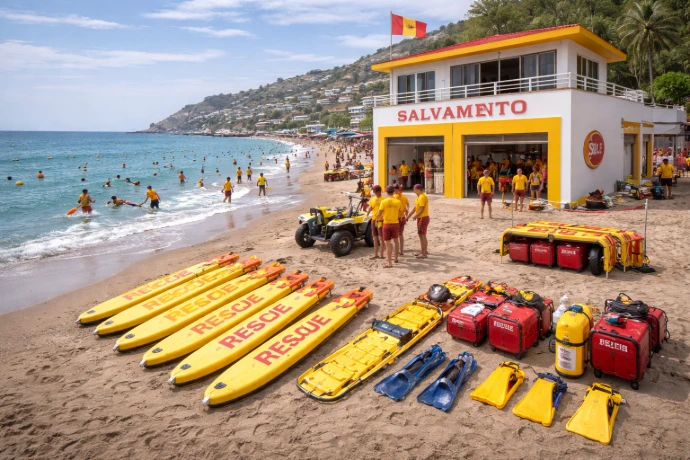 Training delivered in alignment with International Life Saving Federation (ILS) standards
Phase II: Infrastructure Development and Training (6–12 Months)
Ensure readiness and reliability
Build operational capability across all zones
Train the first generation of SLSP lifesavers to international standards
Regular inspection and maintenance of rescue equipment
Construction and establishment of operational bases and patrol towers in each zone
Deployment of rescue equipment, communications systems, and first aid facilities
Delivery of initial training programs in:
Rescue techniques
First aid and emergency response
Beach and aquatic safety
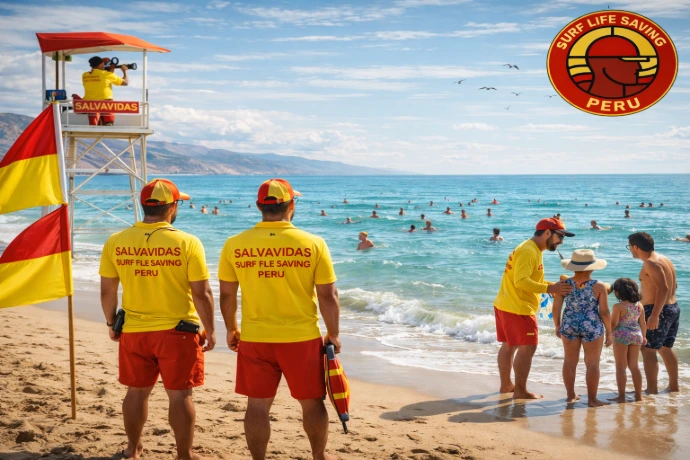
Phase III: Operational Launch (1–2 Years)
Ensure readiness and reliability
Commence active lifesaving operations
Embed SLSP within local communities through visible service delivery
Regular inspection and maintenance of rescue equipment
Launch of rescue and patrol operations on priority beaches and high-risk zones
Establishment of daily patrol schedules and reporting protocols
Implementation of community safety education programs, including:
Beach safety awareness
Risk identification and prevention
“Swim between the flags” messaging
Active engagement with schools, tourism operators, and local authorities
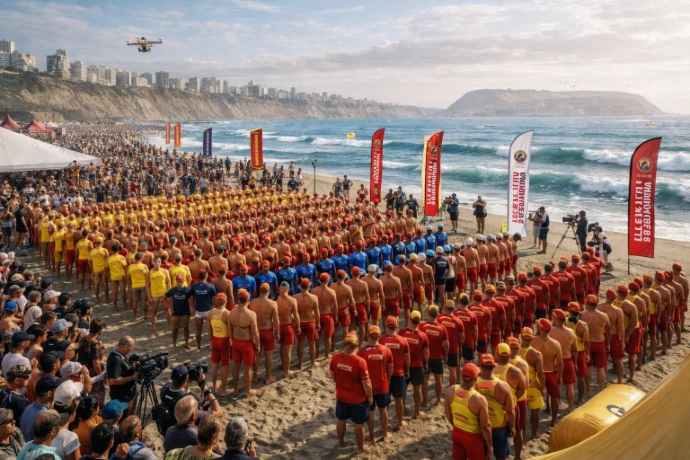
Phase IV: Expansion and Competencies (3 Years and Beyond)
Ensure readiness and reliability
Scale operations nationally
Position Peru as a recognised leader in aquatic safety and sport
Regular inspection and maintenance of rescue equipment
Expansion of lifesaving services to additional beaches and strategic tourism locations
Integration of international best practice and visiting expertise
Organisation of the first Annual Lifeguard Series in Peru, featuring:
Regional and national competitions
Media coverage and broadcast partnerships
Corporate sponsorship and brand activation
Use of events to promote safety, tourism, and national pride
Continuous Operation
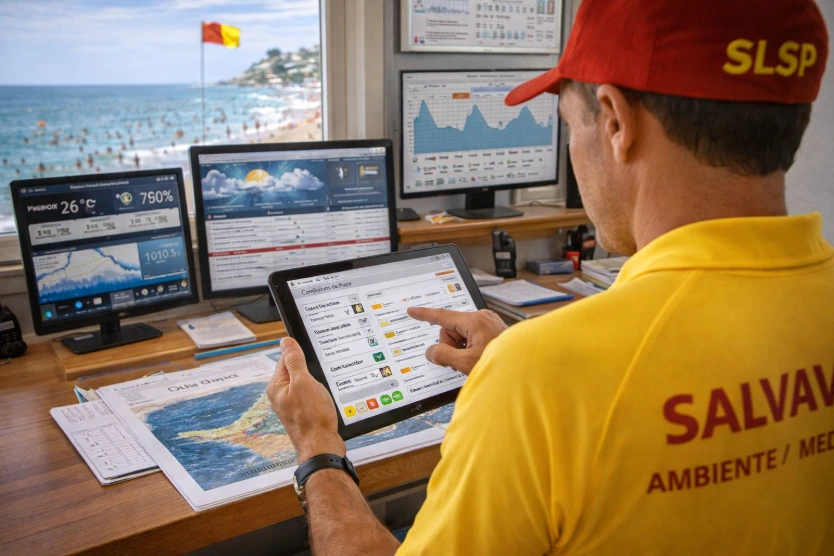
3.1 Quality Monitoring
Ensure readiness and reliability
Maintain high operational and safety standards
Enable data-driven decision-making
Regular inspection and maintenance of rescue equipment
Periodic reporting on beach conditions, incidents, and patrol outcomes
Monitoring of environmental and risk factors
Continuous improvement through performance review
 3.1 Equipment and Base Maintenance
3.2 Community Education
Ensure readiness and reliability
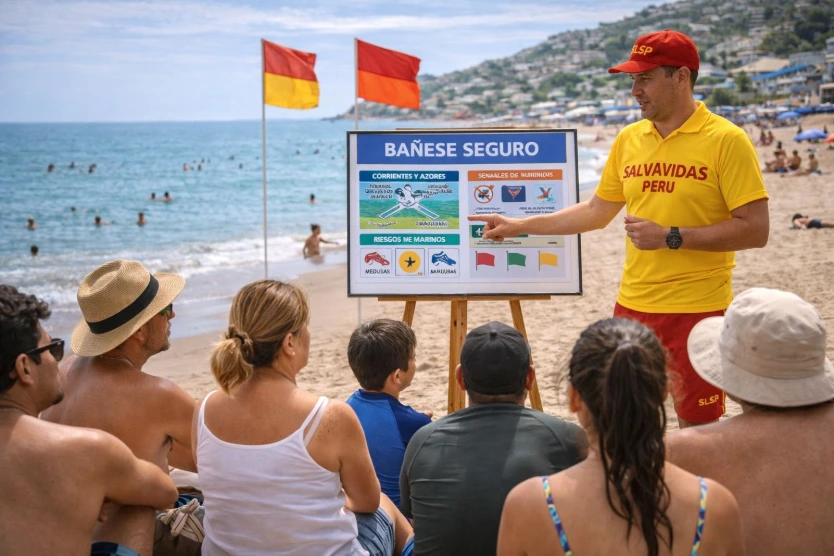
Reduce preventable incidents through awareness
Build a culture of shared responsibility
Regular inspection and maintenance of rescue equipment
Public safety campaigns focused on ocean and aquatic risks
Educational sessions for schools, tourism staff, and local communities
Distribution of clear, accessible safety messaging
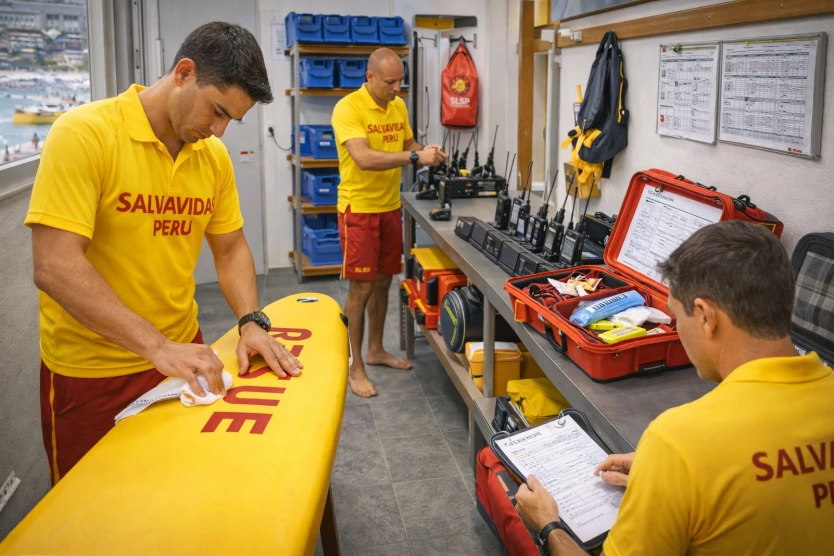 3.1 Equipment and Base Maintenance
Objectives
Ensure readiness and reliability
Extend the life of critical assets
Key Actions
Regular inspection and maintenance of rescue equipment
Scheduled updates of first aid and communications systems
Ongoing facility upkeep and safety compliance
Summary and Conclusion
Surf Life Saving Peru (SLSP) represents a strategic, investable, and socially transformative opportunity for Peru. Built on the globally proven Surf Life Saving Australia model, SLSP combines public safety, community wellbeing, and sustainable tourism development within a disciplined operational framework.
With a phased implementation plan, clear governance, and continuous improvement systems, SLSP has the capacity to:
Transform Peruvian beaches into safer environments
Strengthen community resilience and health
Attract tourism and investment
Deliver long-term socio-economic benefits at local and national levels